Article Overview
- The essentials, without the endless guest questions: Travel, accommodation, dress code, itinerary, RSVP. It’s not about formality – it’s about making everything feel effortless before the trip even begins.
- What guests really look for: times, airports, weather, transport, where to stay, what to wear. The best websites quietly answer everything in advance.
- Romance, with structure underneath: destination weddings may feel easy, but the best ones are still thoughtfully communicated.
Destination weddings are romantic in theory. In reality? They involve international flights, hotel bookings, weather apps, passport expiration dates, and at least one guest texting, “Wait… what island is this again?”
That’s where your wedding website comes in.
A good destination wedding website doesn’t just look beautiful — it makes guests feel informed, prepared, and genuinely excited for the trip ahead. Think of it less as a formality and more as a curated travel guide for your wedding weekend.
Here’s what actually matters.
1. Wedding Details
This is the section guests will revisit constantly, so clarity matters more than creativity here. Make sure you don’t miss any details that your guests will need, otherwise those attending will be sending the same questions over and over.
Include:
- Your ceremony and reception locations
- The full day/ weekend itinerary
- Any additional events like welcome drinks or a farewell brunch
- If transportation is being provided, this is where guests should find it.
- Your wedding registry/ cash gift requests
- RSVP/ meal selection option, if necessary
The less detective work required, the better.

2. Travel Information
Destination weddings come with logistics, and your guests will appreciate not having to piece them together themselves.
Include:
- The nearest airport
- Recommended transportation options
- Passport or visa reminders,
- Any timing suggestions that might make travel smoother.
If arriving a day early is strongly encouraged, this is when you say so
This section alone can eliminate at least half of the questions you’ll get.

3. Accommodation
Not every guest wants to spend hours comparing hotels in a city they’ve never visited.
Include:
- Your recommended accommodations
- Pre-reserved room block info, such as discount codes
- Notes on where most guests will be staying
- Different accommodation option at different price points
People don’t necessarily want endless choices, they want reassurance they’re booking the right one for them.

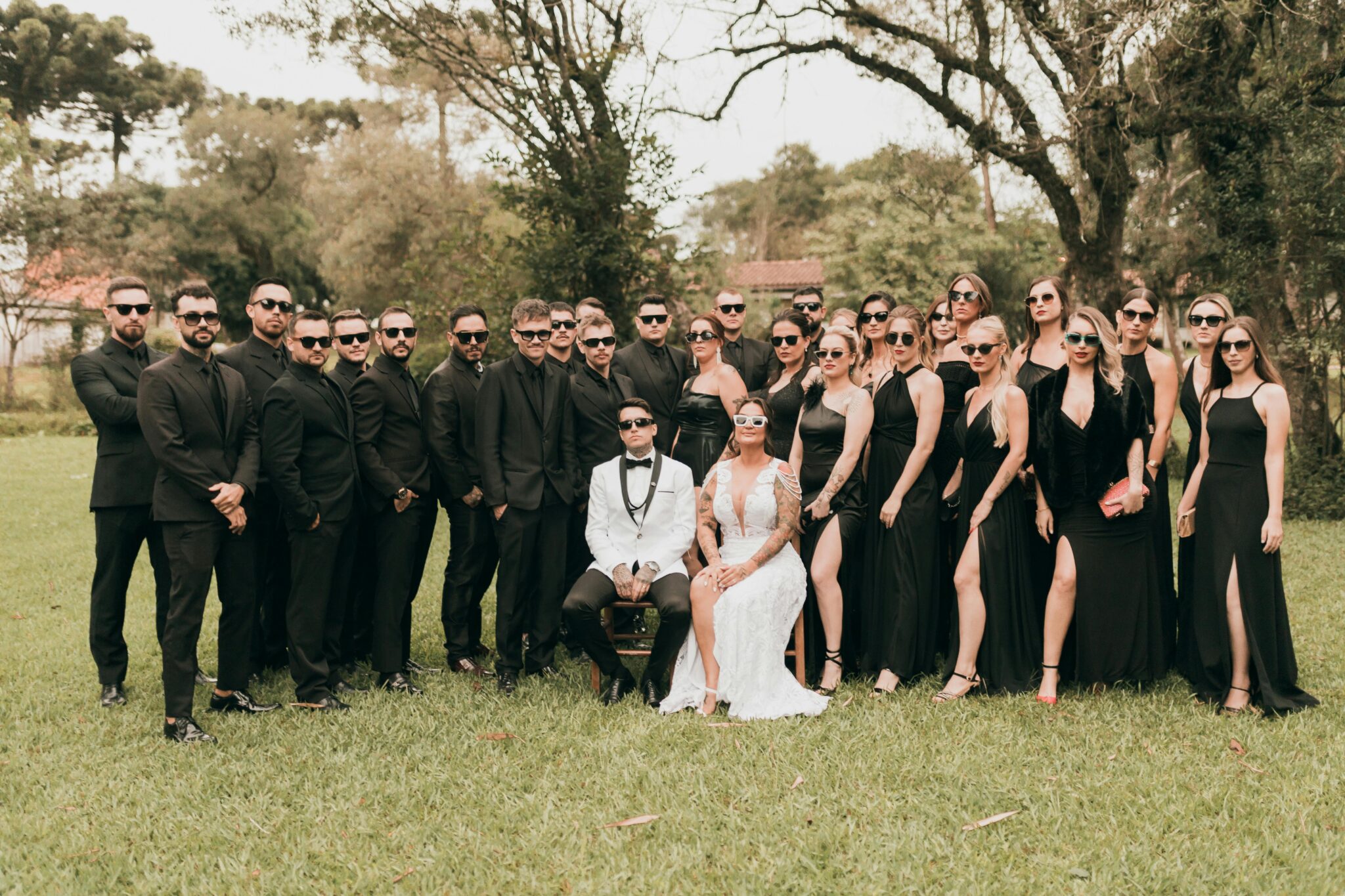
4. Dress Code & Weather
Destination wedding dress codes can feel oddly mysterious.
“Beach formal” sounds beautiful until someone realizes they packed stilettos for sand or a velvet suit for 35-degree humidity.
Give guests clear expectations:
- Weather
- Terrain
- Footwear suggestions
- And the general vibe of the celebration
A little specificity goes a long way and makes it easier for everyone.
5. FAQs & Guest Information
This will quietly become the most valuable page on your website.
Answer the questions guests are already thinking about:
- Can I bring a plus-one?
- Are children invited?
- What time should we arrive?
- Is transportation provided?
- Is there parking on-site?
- What should we wear?
- Can I pull out my iPad to film you walking down the aisle?
The more you answer in advance, the fewer last-minute messages you’ll receive while trying to enjoy your wedding.
6. Optional Extras
Once the essentials are covered, you can make the experience feel more personal.
Share ideas such as:
- Your favorite restaurants
- Local spots worth visiting, or a few activities guests can turn into a vacation while they’re there
- Any local customs
Add your wedding hashtag, or photo-sharing details if you’d like.
None of these are mandatory, they’re simply the finishing touches.
Final note
The best destination wedding websites don’t just tell guests where to go. They make everyone feel like they’re part of the adventure before the trip even begins. They’re travelling far for you – so do a good job at hyping them up!