Best Destination Wedding Locations for 2026, According to Our Editors
Article Overview
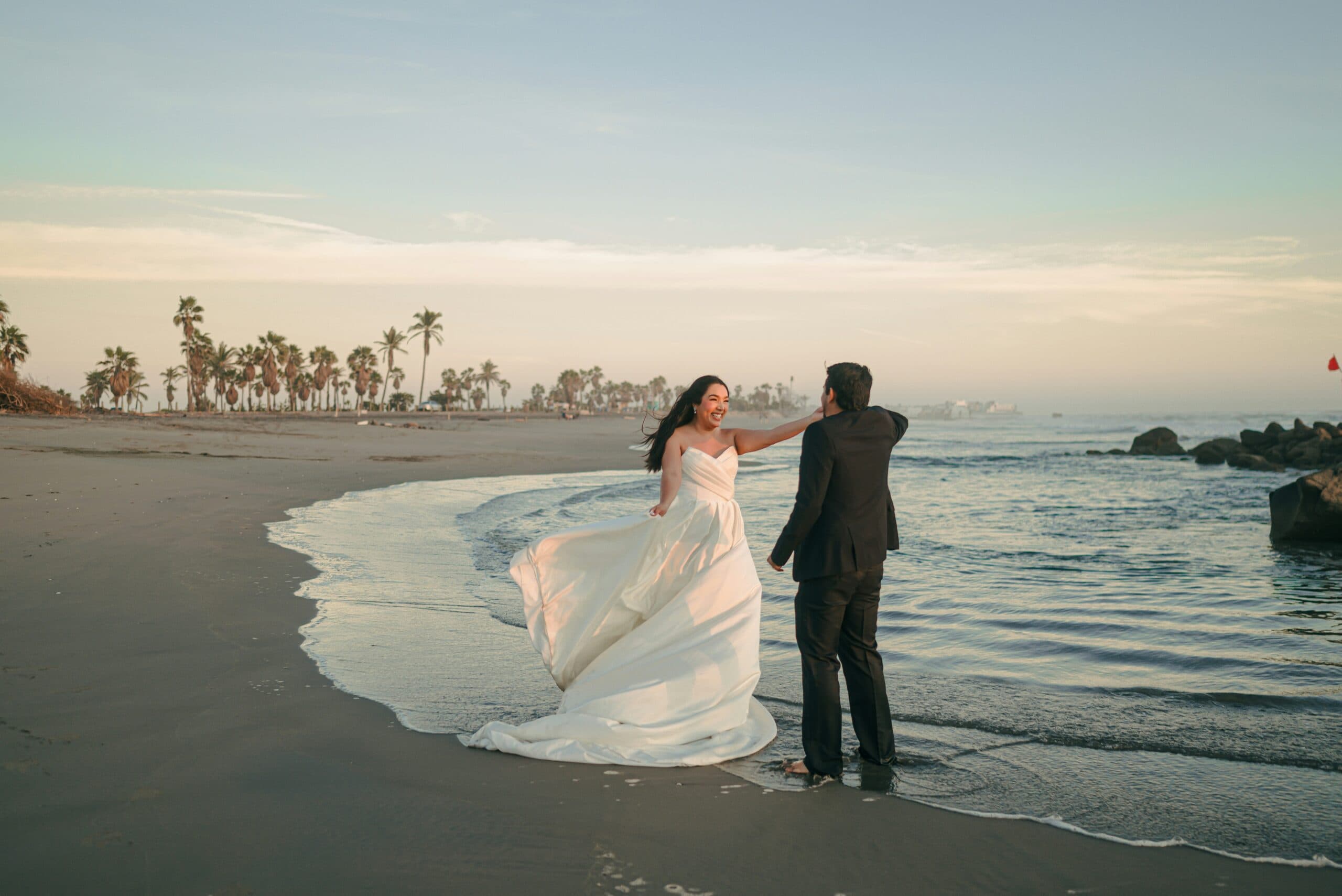
- Places couples actually book: Quiet rituals in Japan, beachfront ease in Mexico, villa life in Italy, island simplicity in Greece, and coastal charm in Portugal. Each one offers a different way of getting married, shaped by landscape, light, and culture.
- Beauty that does not need convincing: Bali’s ocean-view villas and rice terraces, Italy’s villas, Greece’s island light, South Africa’s vineyards. Each place has a distinct atmosphere that shapes the entire experience before anything is even planned.
- Romance, with the practical bits included: These places work because they are already set up for weddings like yours. Getting there is straightforward, vendors are used to international couples.
Choosing a destination wedding in 2026 is about finding a place that already feels like a story. Here are our editor’s top destination wedding locations for 2026:
What connects them is simple. These are places that already know how to host weddings at an international scale.
1. Japan
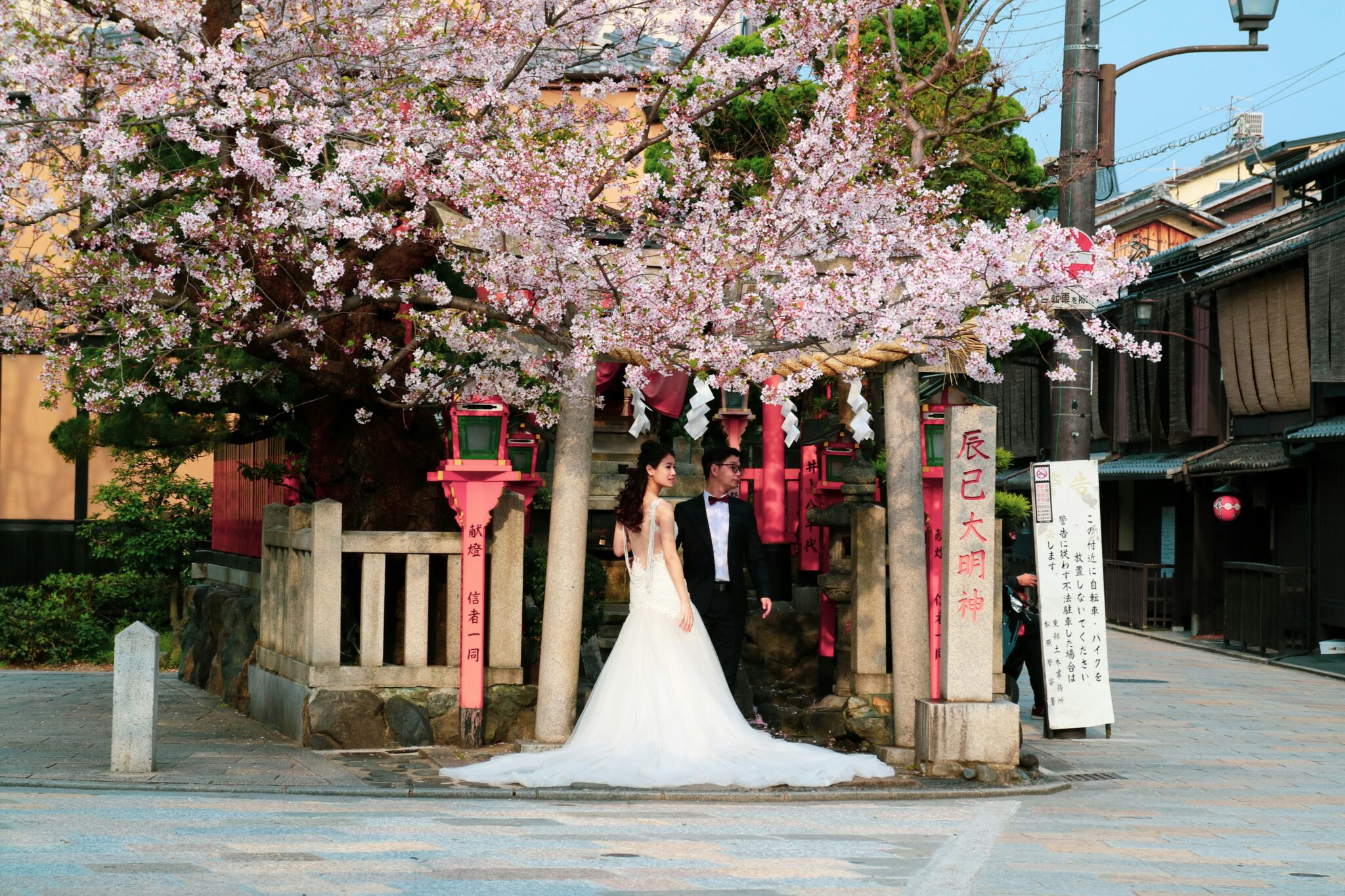
Why couples love it: Japan feels deliberate in a way few wedding destinations do. Ceremonies are quiet, design-led, and deeply tied to ritual and season, whether in a temple courtyard, a garden, or a minimalist modern venue in the city.
Best regions: Kyoto, Tokyo, Hakone, Nara, Okinawa.
Landmarks: Fushimi Inari Shrine, Kiyomizu-dera Temple, Meiji Shrine, Mount Fuji, Arashiyama Bamboo Grove.
Known for: Temples, zen gardens, cherry blossoms, autumn foliage, refined hospitality, minimalist aesthetics.
Considerations:
- Best season: March to April (cherry blossoms) and October to November (autumn colours). Summer is humid and rainy.
- Peak seasonal periods (cherry blossom/autumn) book out extremely early.
- Legal requirements: Foreign couples must register their marriage at a Japanese city office. Required documents include passports, birth certificates, and a legal capacity or single status certificate from their home country. Documents must be translated into Japanese, and the marriage is legally recognised upon registration.
- Same-sex marriages are not legally recognised in Japan, though symbolic ceremonies are available.
- Language barrier can affect independent planning without a coordinator.
2. Portugal
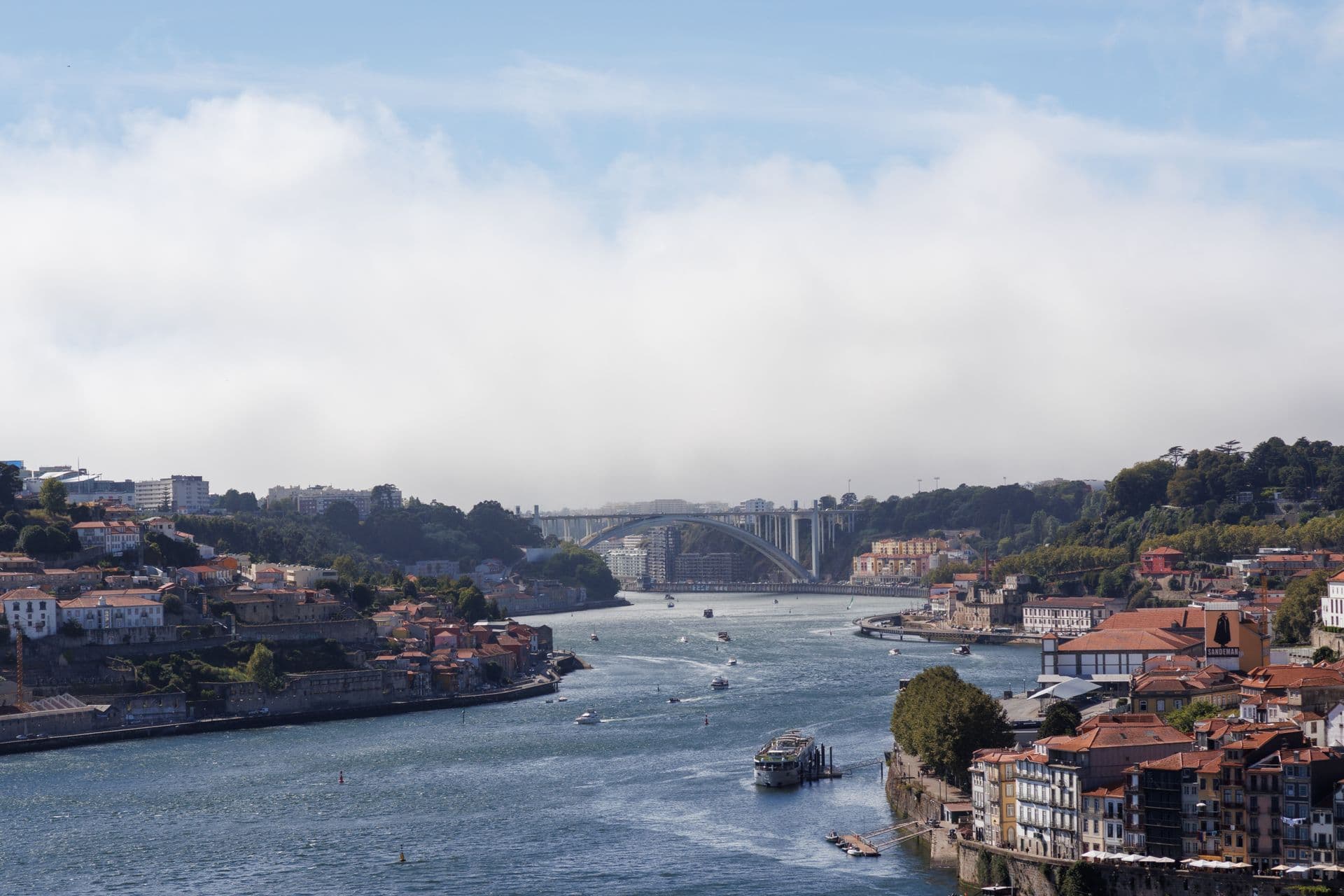
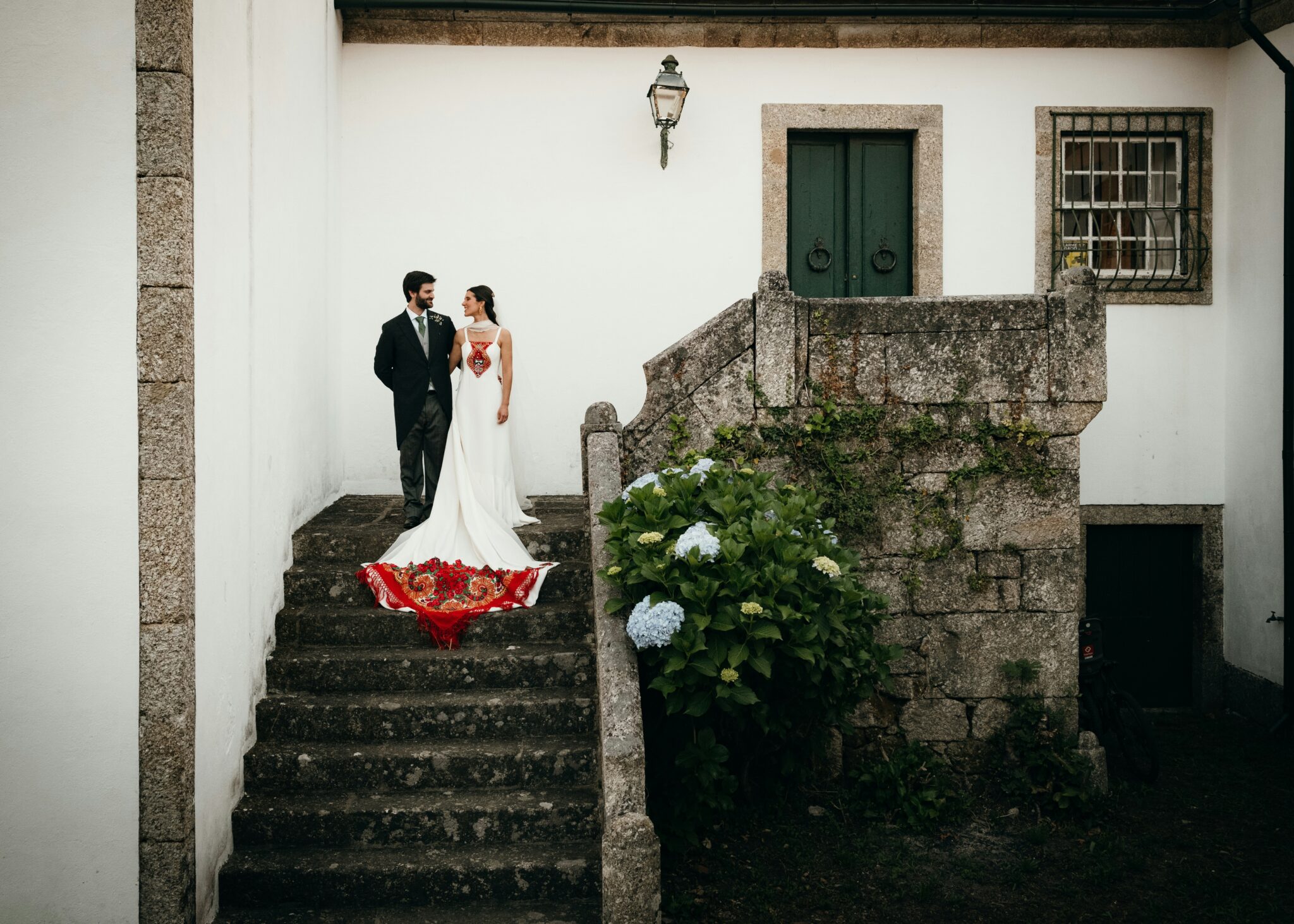
Why couples love it: Portugal feels easy in a way that still looks beautiful on camera. You get Atlantic cliffs, tiled cities, vineyard estates, and small palaces without needing to overcomplicate the itinerary.
Best regions: Lisbon, Sintra, Porto, Douro Valley, Algarve, Madeira.
Landmarks: Belém Tower, Pena Palace, Jerónimos Monastery, Porto Ribeira, Cabo da Roca.
Known for: Azulejo tiles, trams, Atlantic cliffs, surf beaches, Moorish castles in towns, pastéis de nata, grilled sardines.
Considerations:
- Best season: May to June and September to October for warm weather without peak crowds.
- Legal requirements: Foreign couples must submit passports, birth certificates, and proof of legal capacity to marry. Documents usually require translation into Portuguese and certification. The marriage is registered through the Civil Registry Office.
- Same-sex marriage is legally recognised in Portugal.
- Coastal venues can be exposed to wind, especially Atlantic-facing cliffs.
- Lisbon/Porto are easy; rural areas may require private transport.
3. Italy
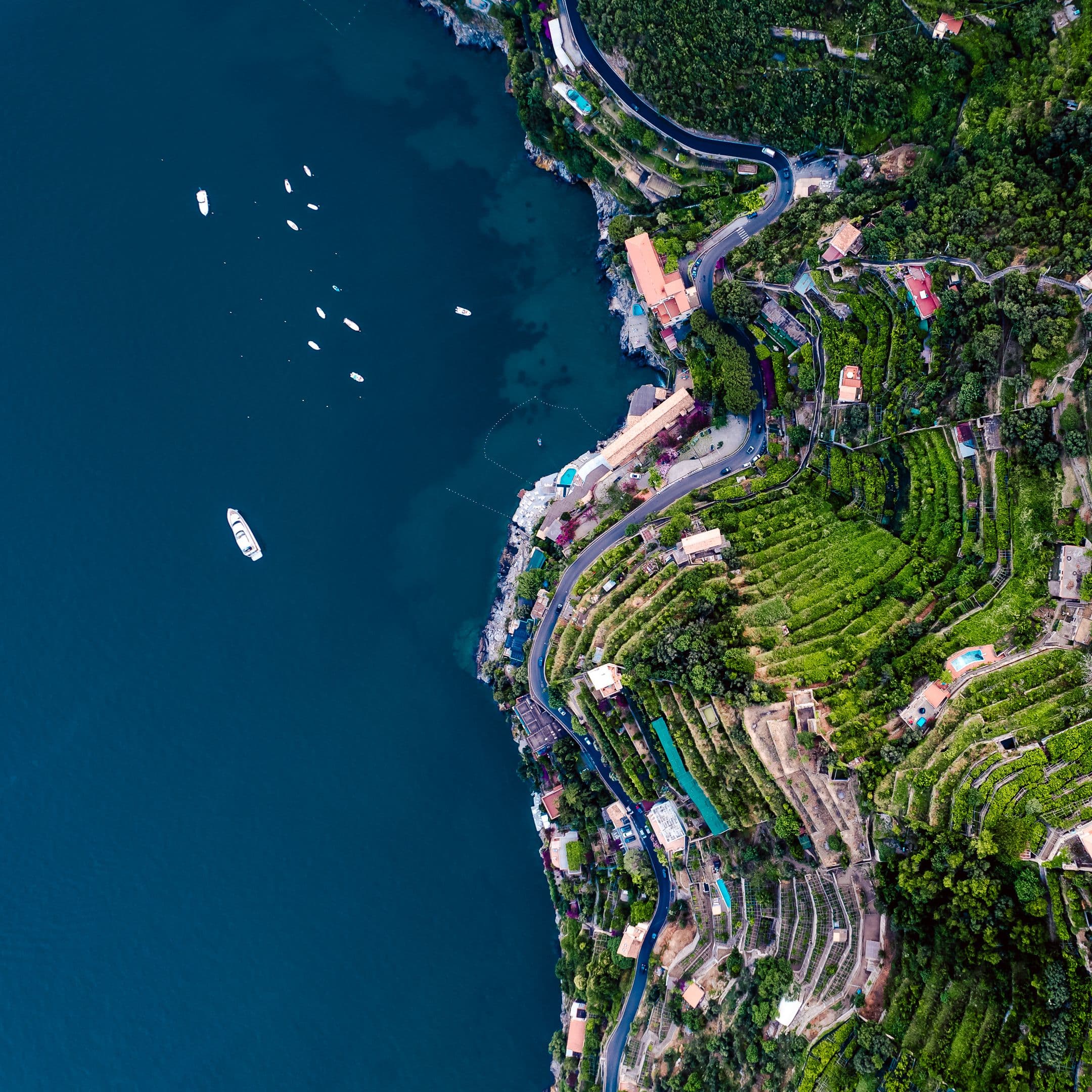
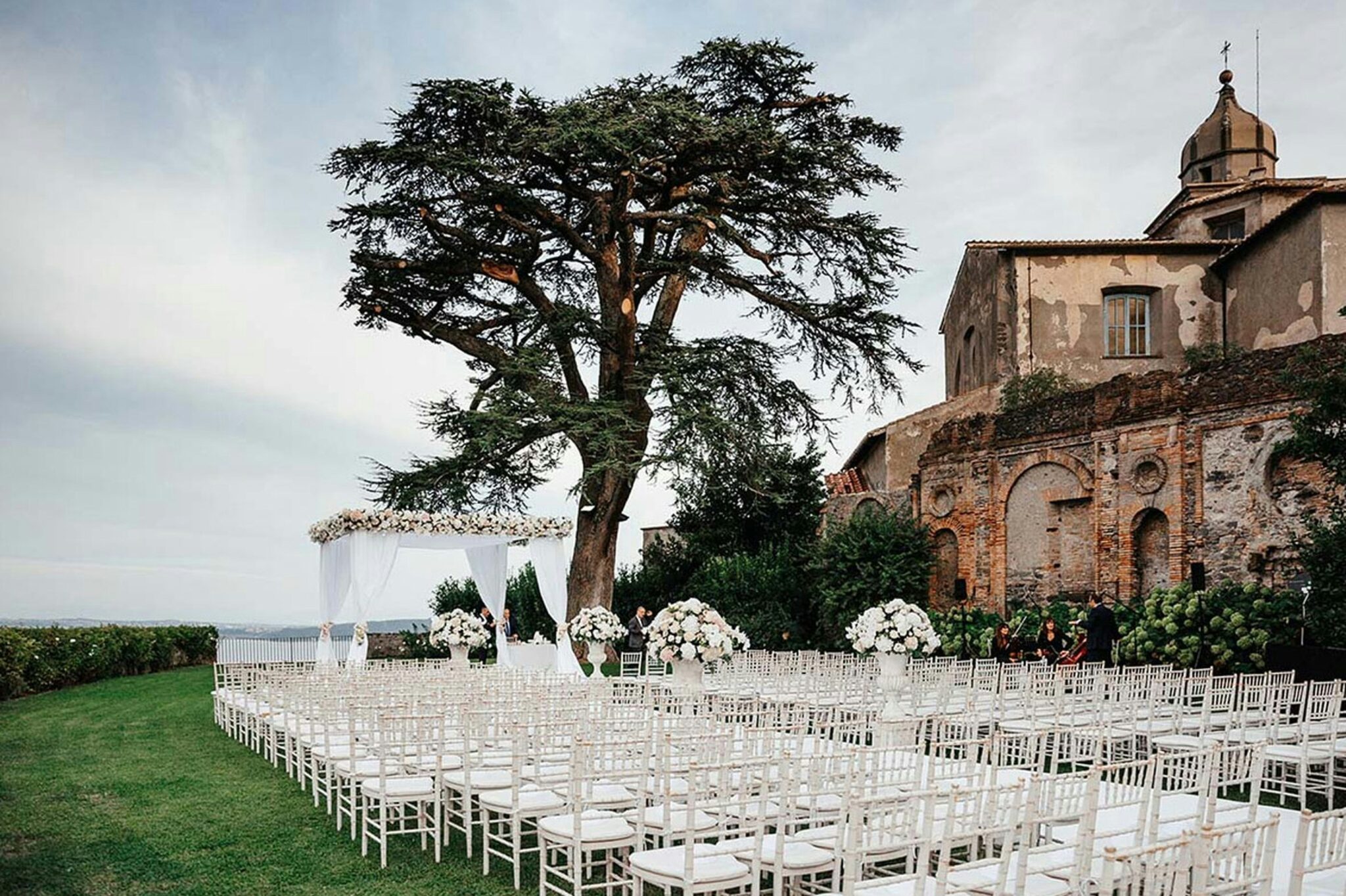
Why couples love it: Italy offers variety without compromise. A wedding can feel rustic in Tuscany, cinematic on the Amalfi Coast, or quietly elegant by Lake Como. It’s a place where the setting often does half the storytelling.
Best regions: Tuscany, Amalfi Coast, Lake Como, Puglia, Rome, Florence.
Landmarks: Colosseum, Florence Cathedral, St. Mark’s Basilica, Leaning Tower of Pisa, Pantheon.
Known for: Villas, vineyards, Renaissance cities, coastal cliffs, historic architecture, long celebratory dinners.
Considerations:
- Best season: April to June and September to October for mild weather and fewer crowds.
- Legal requirements: Foreign couples must provide passports, birth certificates, and a Nulla Osta or Certificate of No Impediment. Documents must be translated into Italian and legalized. Requirements can vary slightly by municipality.
- Same-sex marriage is legally recognised in Italy.
- Top venues often require booking 12–24 months in advance.
- Some historic venues have strict noise/time restrictions for events.
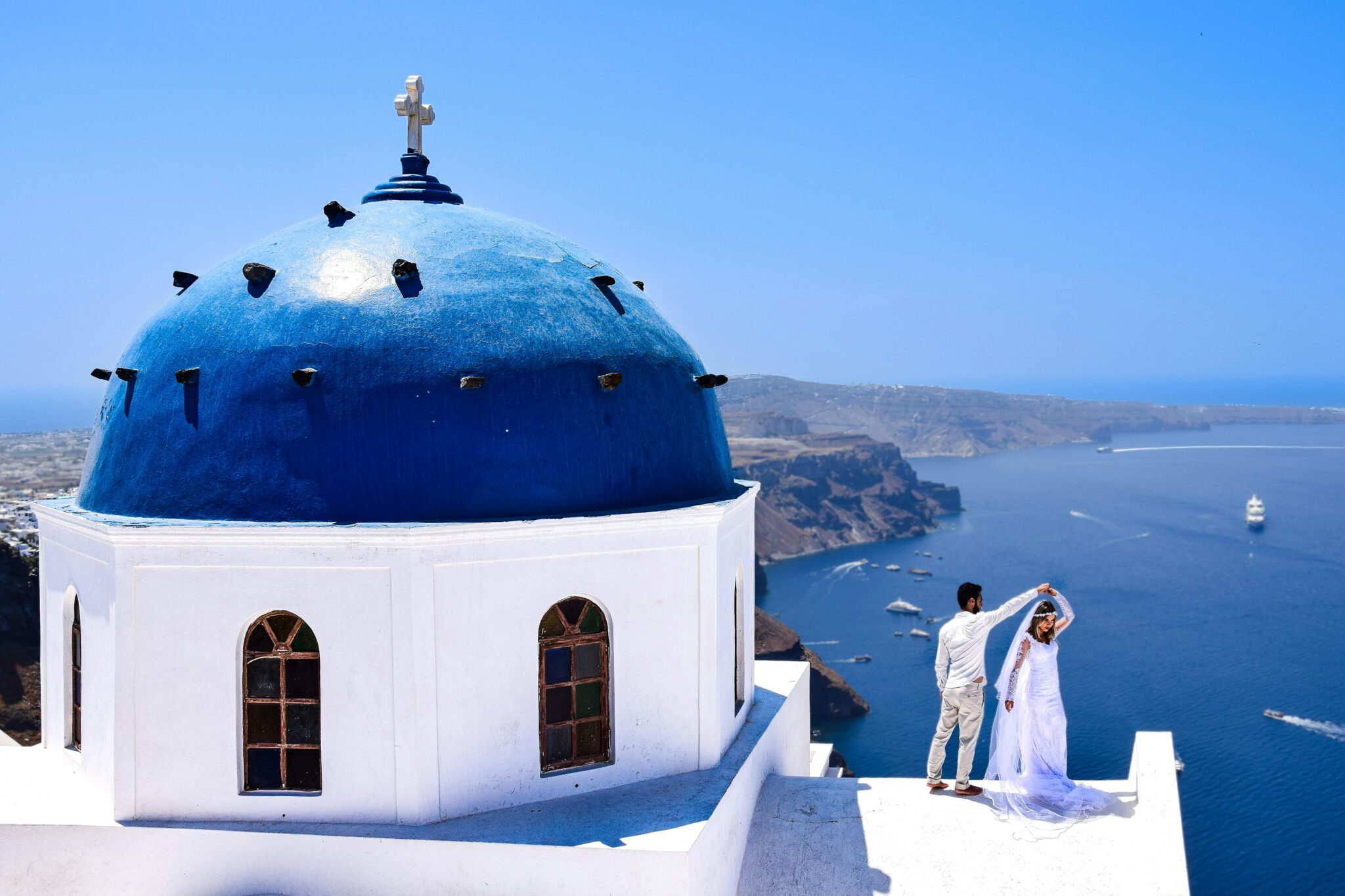
4. Greece
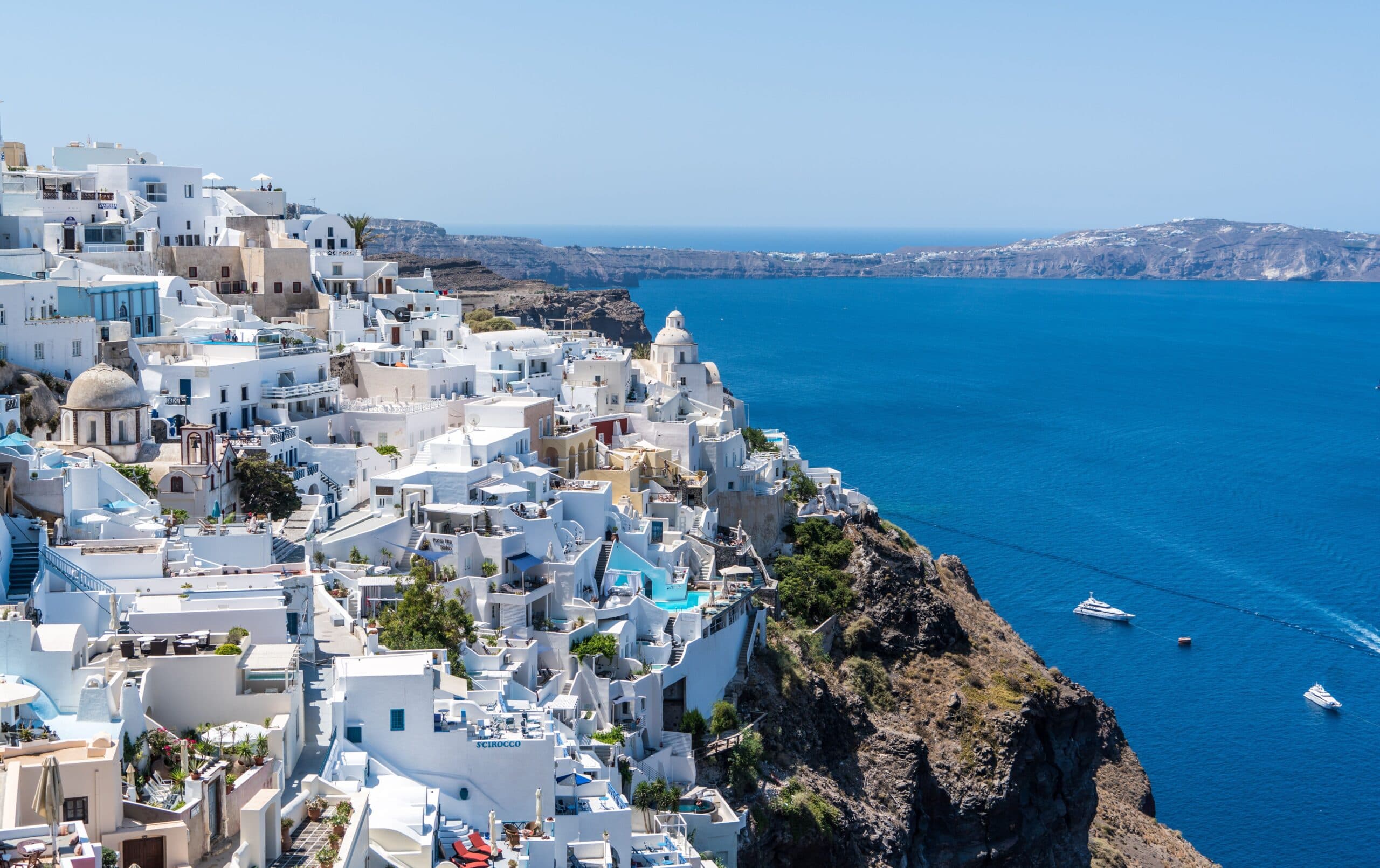
Why couples love it: Greece is all about light, simplicity, and impact. Ceremonies often take place outdoors, where the landscape does most of the work, from island cliffs to quiet village chapels.
Best regions: Santorini, Mykonos, Crete, Paros, Rhodes, Athens Riviera.
Landmarks: Acropolis, Parthenon, Santorini caldera, Meteora monasteries, Delphi.
Known for: Whitewashed islands, blue domes, olive groves, cliffside villages, sea ruins, feta, mezze.
Considerations:
- Best season: May to early July and September to October for strong weather and fewer crowds.
- Legal requirements: Foreign couples must provide passports, birth certificates, and a Certificate of No Impediment. Documents must be translated into Greek and officially certified. Civil ceremonies are handled through local municipalities.
- Same-sex marriage is legally recognised in Greece.
- Ferry and inter-island travel can affect guest coordination.
- Wind conditions (especially Santorini/Mykonos) impact outdoor setups.
5. Thailand
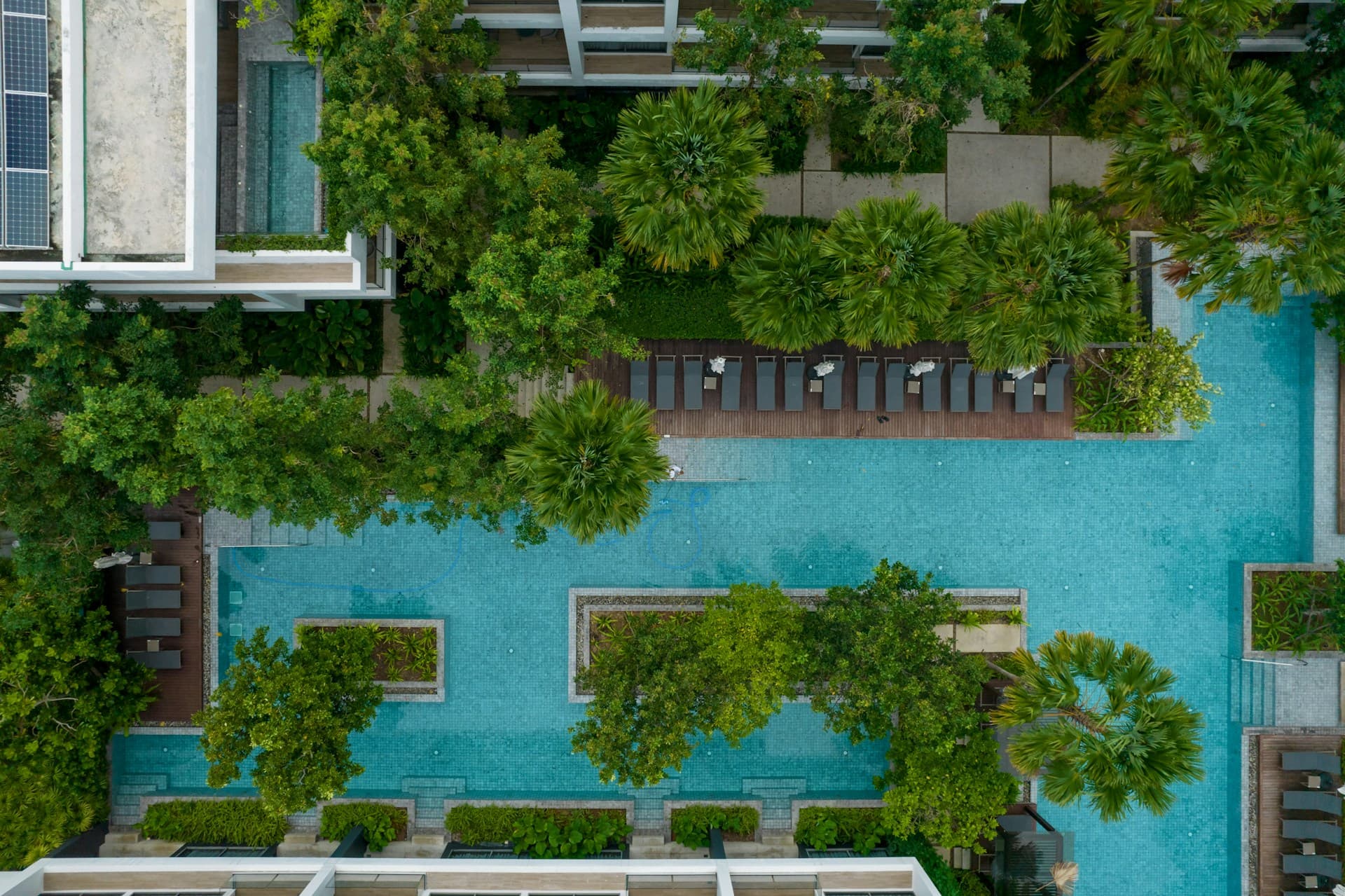
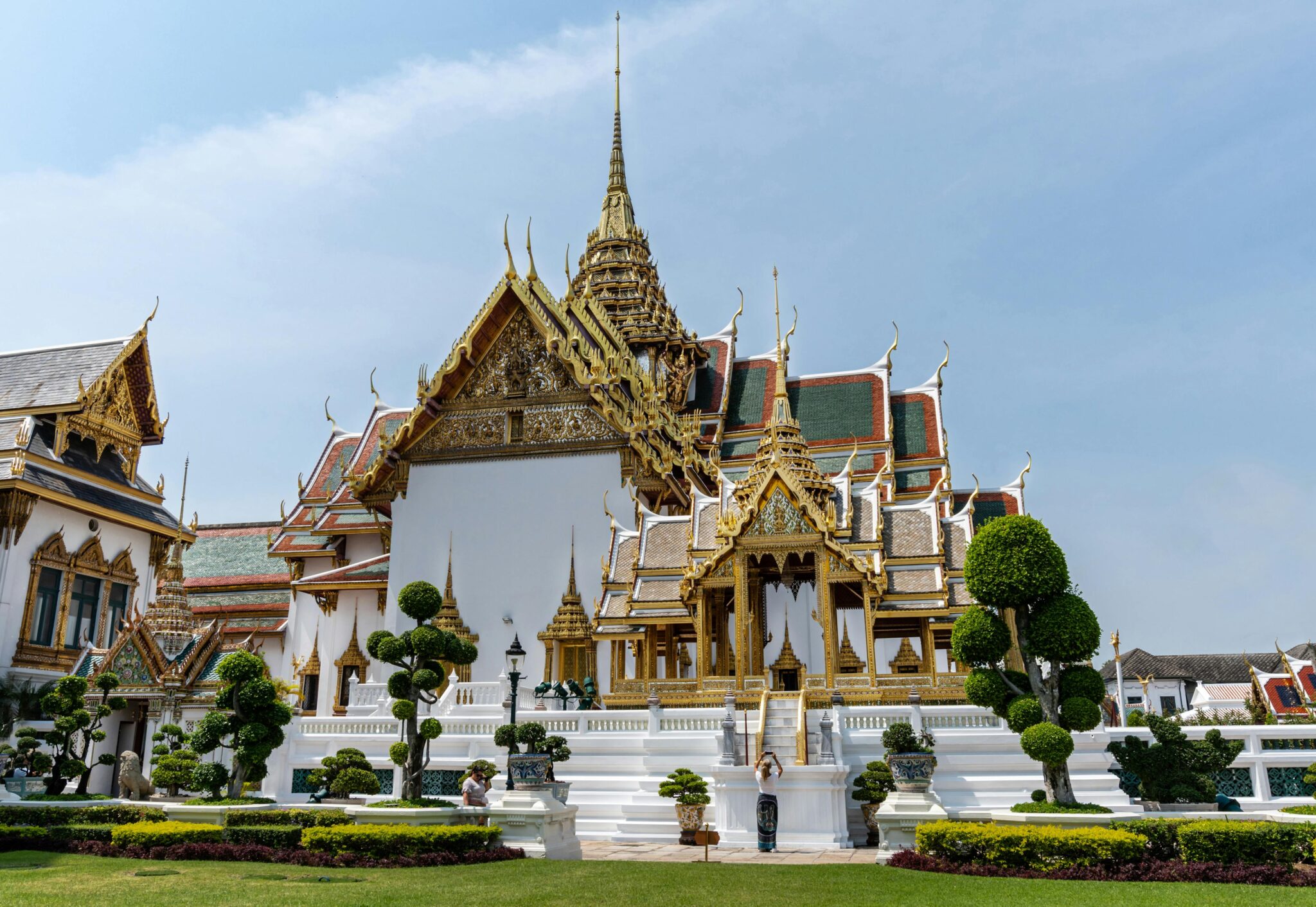
Why couples love it: Thailand is built around ease and atmosphere. Weddings often feel contained in one place, with resorts, beaches, and jungle backdrops doing most of the work without needing much travel in between.
Best regions: Phuket, Koh Samui, Krabi, Chiang Mai, Bangkok (for city weddings).
Landmarks: Phi Phi Islands, Phang Nga Bay, Big Buddha Phuket, Wat Arun, Railay Beach.
Known for: Tropical beaches, limestone cliffs, island resorts, temples, lush landscapes, strong hospitality.
Considerations:
- Best season: November to March for dry, comfortable weather.
- Legal requirements: Foreign couples must complete legal registration at a district office. Required documents include passports, an affidavit of freedom to marry, and translated paperwork in Thai. Many couples complete the legal process at home and hold a symbolic ceremony in Thailand.
- Same-sex marriage is legally recognised in Thailand.
- Island travel may require boats or internal flights for guests.
- Monsoon (A seasonal wind shift that reverses direction, bringing summer rains and dry conditions in winter) timing varies by coast, not uniform nationwide.
6. Bali, Indonesia
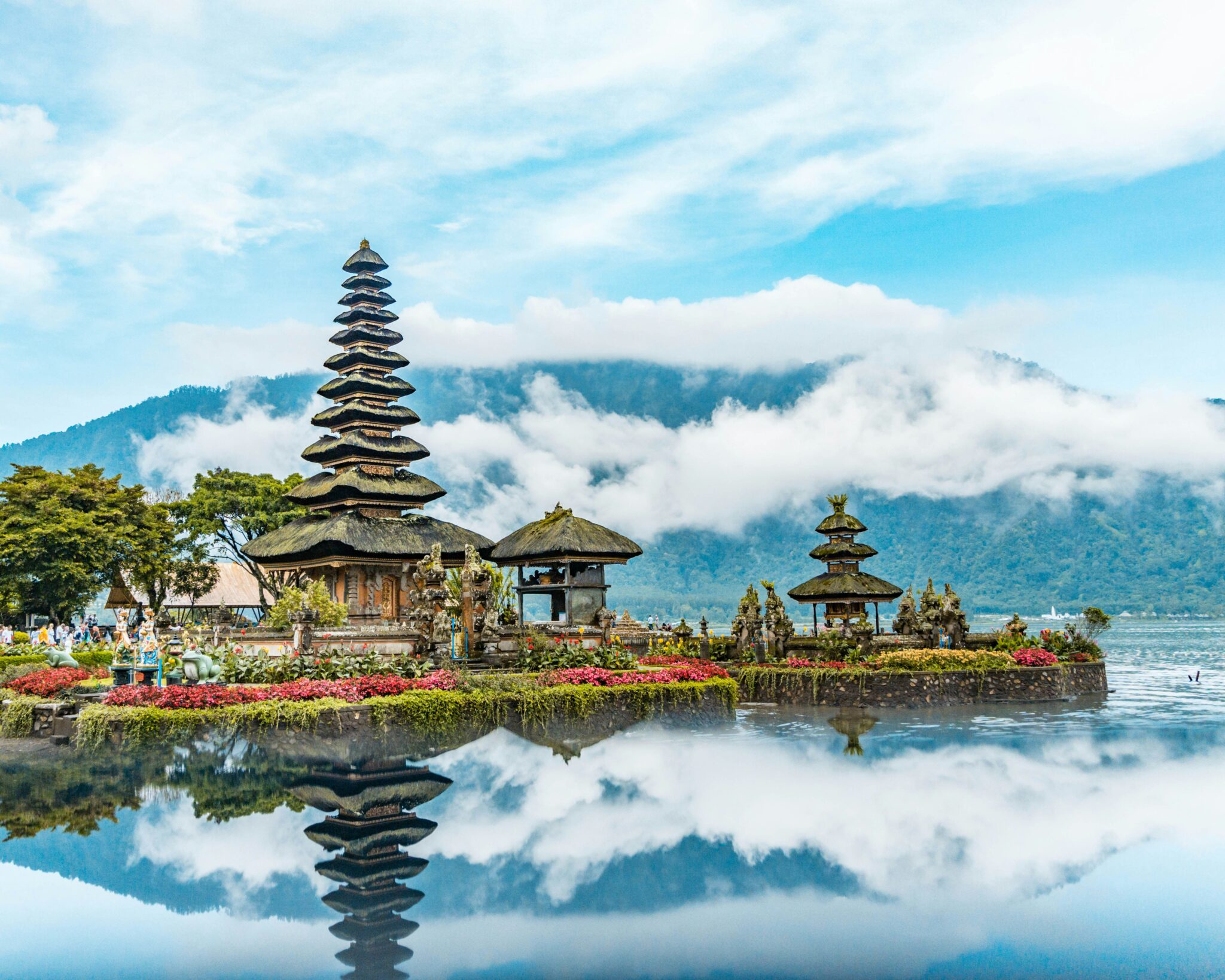
Why couples love it: Bali is designed for destination weddings. Cliffside villas, rice terraces, and ocean views are all within reach, with an established network of planners and venues that make large-scale celebrations feel seamless.
Best regions: Uluwatu, Ubud, Seminyak, Canggu, Nusa Dua.
Landmarks: Tegallalang Rice Terraces, Uluwatu Temple, Tanah Lot, Mount Batur, Tegenungan Waterfall.
Known for: Villas, rice terraces, ocean cliffs, tropical greenery, spiritual landscapes, resort-style weddings.
Considerations:
- Best season: May to September for dry, sunny conditions.
- Legal requirements: Marriage in Indonesia requires both a religious ceremony and civil registration. Foreign couples must provide passports, birth certificates, and religious documentation, with requirements depending on faith. Many couples complete legal marriage at home and have a symbolic ceremony in Bali.
- Same-sex marriage is not legally recognised in Indonesia, so ceremonies are symbolic only.
- Traffic congestion can significantly affect guest movement between venues.
7. Riviera Maya, Mexico
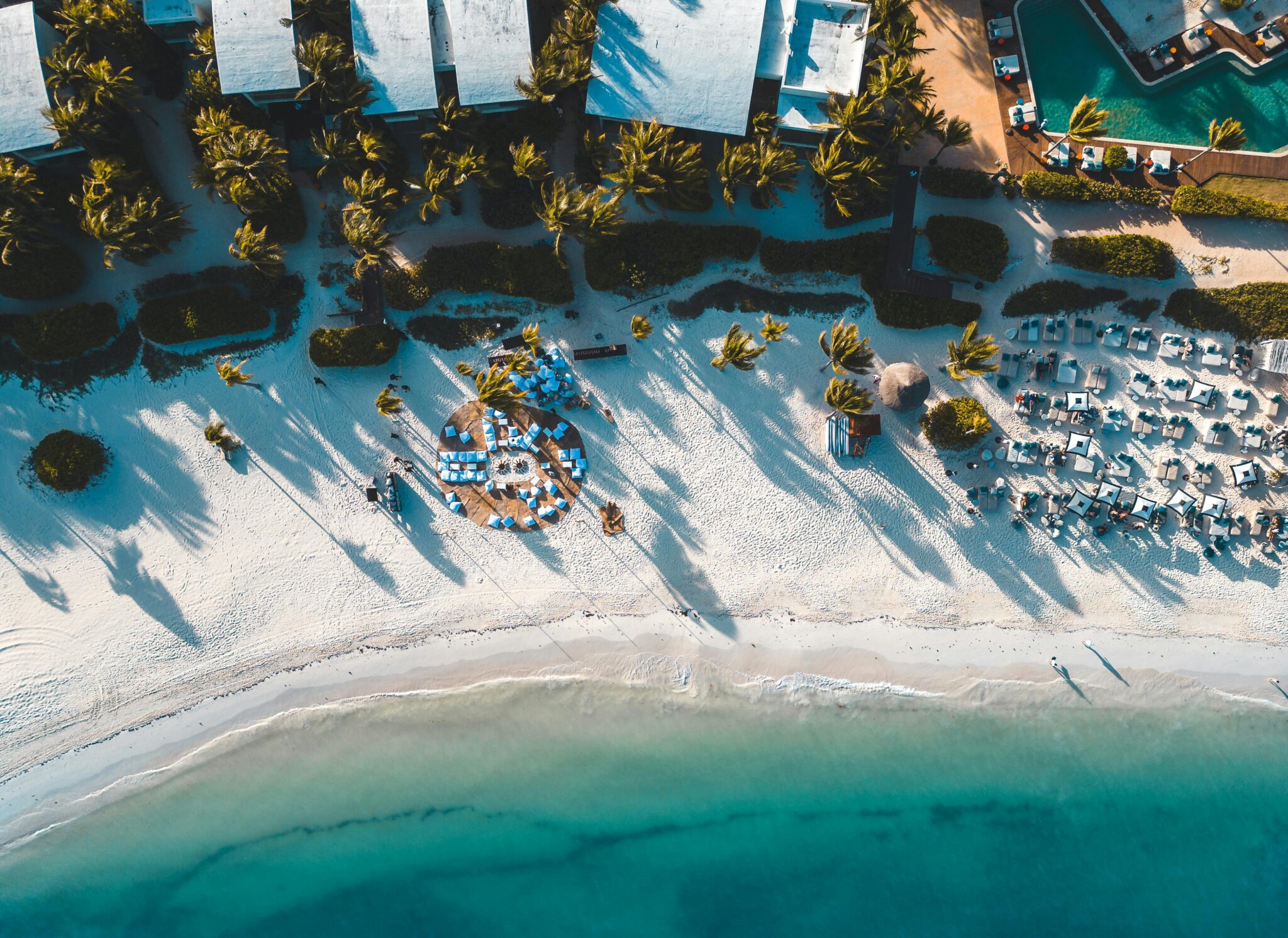
Why couples love it: The Riviera Maya is built for destination weddings. Resorts line the Caribbean coast, with beaches, cenotes, and jungle settings all within easy reach, making it ideal for multi-day celebrations in one place.
Best regions: Playa del Carmen, Tulum, Cancún, Akumal, Puerto Morelos.
Landmarks: Chichén Itzá, Tulum Ruins, Cenote Dos Ojos, Sian Ka’an Biosphere, Isla Mujeres.
Known for: Caribbean beaches, turquoise water, cenotes, jungle resorts, hacienda-style venues, all-inclusive weddings.
Considerations:
- Best season: November to April for dry, warm weather.
- Legal requirements: Foreign couples must provide passports, tourist cards, birth certificates, and may be required to complete blood tests in Mexico. Documents are processed locally before the ceremony.
- Same-sex marriage is legally recognised throughout Mexico.
- Hurricane season considerations (June–November, lower risk but still planned for).
- Resort exclusivity rules can limit vendor flexibility.
8. South Africa
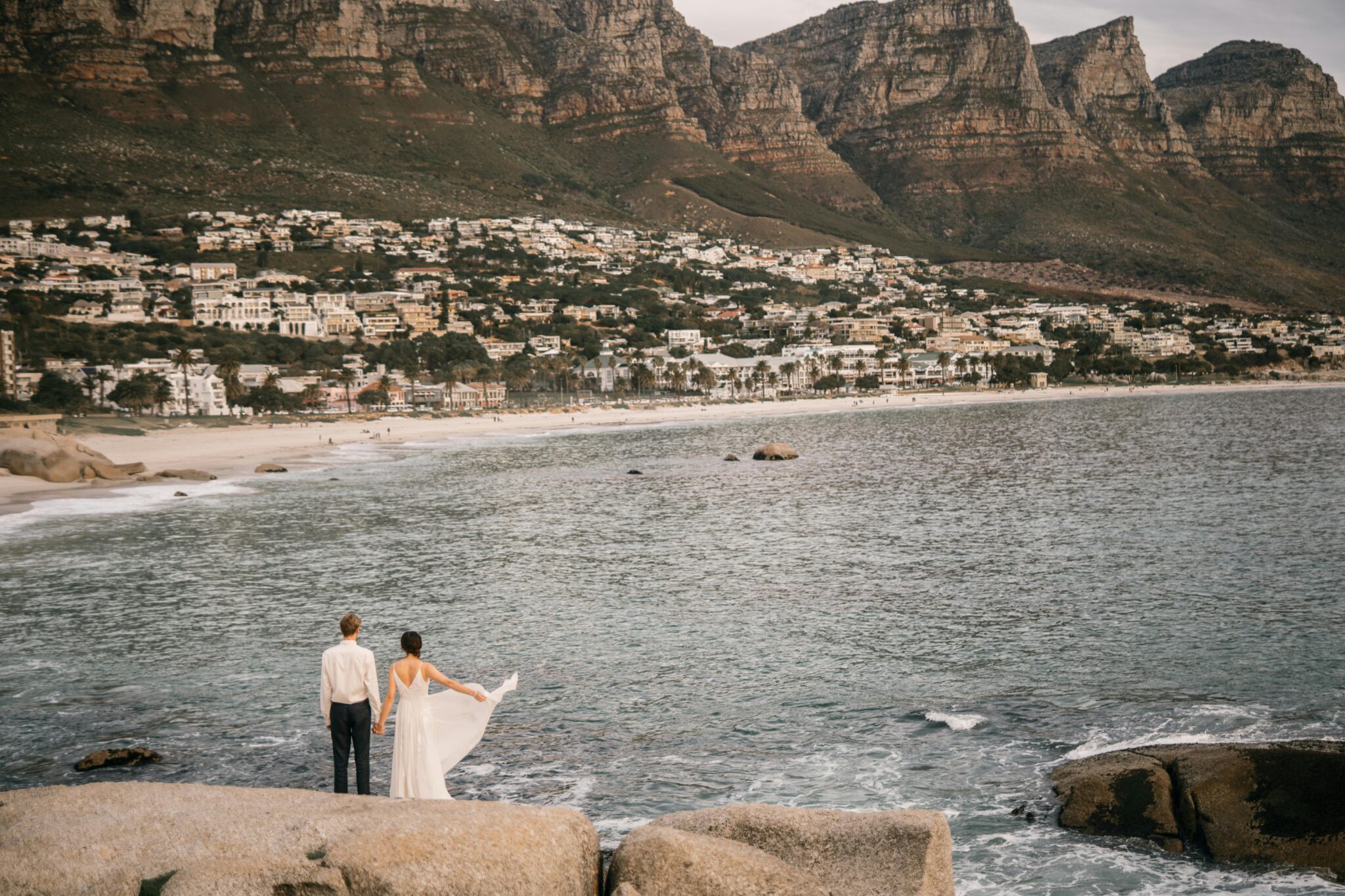
Why couples love it: South Africa offers contrast in one place. Vineyards, mountains, and ocean landscapes sit close together, with a wedding industry that delivers high visual impact at strong value.
Best regions: Stellenbosch, Franschhoek, Paarl, Cape Town, Hermanus.
Landmarks: Table Mountain, Cape Point, Kirstenbosch Botanical Gardens, Boulders Beach, Stellenbosch Vineyards.
Known for: Wine estates, mountain backdrops, coastal views, safari extensions, dramatic scenery, farm-to-table dining.
Considerations:
- Best season: October to April for warm, dry conditions.
- Legal requirements: Foreign couples must provide passports, birth certificates, and a completed marriage affidavit. Documents may need certification and sometimes translation. Civil marriages are registered through the Department of Home Affairs.
- Same-sex marriage is legally recognised in South Africa.
- Long-haul travel for most guests (jet lag + arrival planning matters).
- Some remote wine estates require shuttle coordination.
Final note
There is no single version of a destination wedding in 2026. Some couples choose temples in Japan for their stillness, others choose Mexico for ease, Italy for tradition, Greece for light, or South Africa for contrast. What matters is not only how a place looks, but how it feels to bring people there and build a day around it.
The best destination is rarely the most obvious one. It is the one that holds your idea of celebration without forcing it to become something else.
When you are ready to plan, Your Wedding Atlas is here to help you compare locations, understand logistics, and find the places that actually fit the wedding you want to create.