Article Overview
- Discover how different countries celebrate marriage through meaningful rituals, symbolic gestures, and traditions passed down through generations.
- Explore unique wedding traditions from around the world. From breaking plates in Germany to Greek wedding crowns, and Italian wedding favors, discover the stories behind customs that may surprise you.
- Learn how couples can thoughtfully incorporate cultural traditions into destination weddings and modern celebrations.
There is something wonderfully fascinating about weddings.
Think about it. Two people stand in front of everyone they love, dressed in outfits they may have spent months choosing, promising forever while their families watch, cry, laugh, and probably take more photos than they know what to do with.
And yet, somehow, we all agree this is completely normal.
But what one culture considers a classic wedding tradition might look completely unexpected somewhere else. A broken plate, a shared cup, a symbolic crown, a playful family ritual, or a celebration that lasts for days. Around the world, weddings have become a collection of customs, stories, and traditions passed down through generations.
Because a wedding has never been only about the couple. It is about where they come from, who raised them, and the traditions that shaped their understanding of love and commitment.
Some customs are playful. Some are deeply symbolic. Some might make you pause and ask, “Wait, they do what?”
And honestly, those are often the ones with the best stories.
Here are some of the most fascinating wedding traditions around the world and the beautiful meanings behind them.
Germany: Breaking Plates Before the Wedding
Imagine arriving at a wedding celebration and discovering that the first activity is breaking dishes.
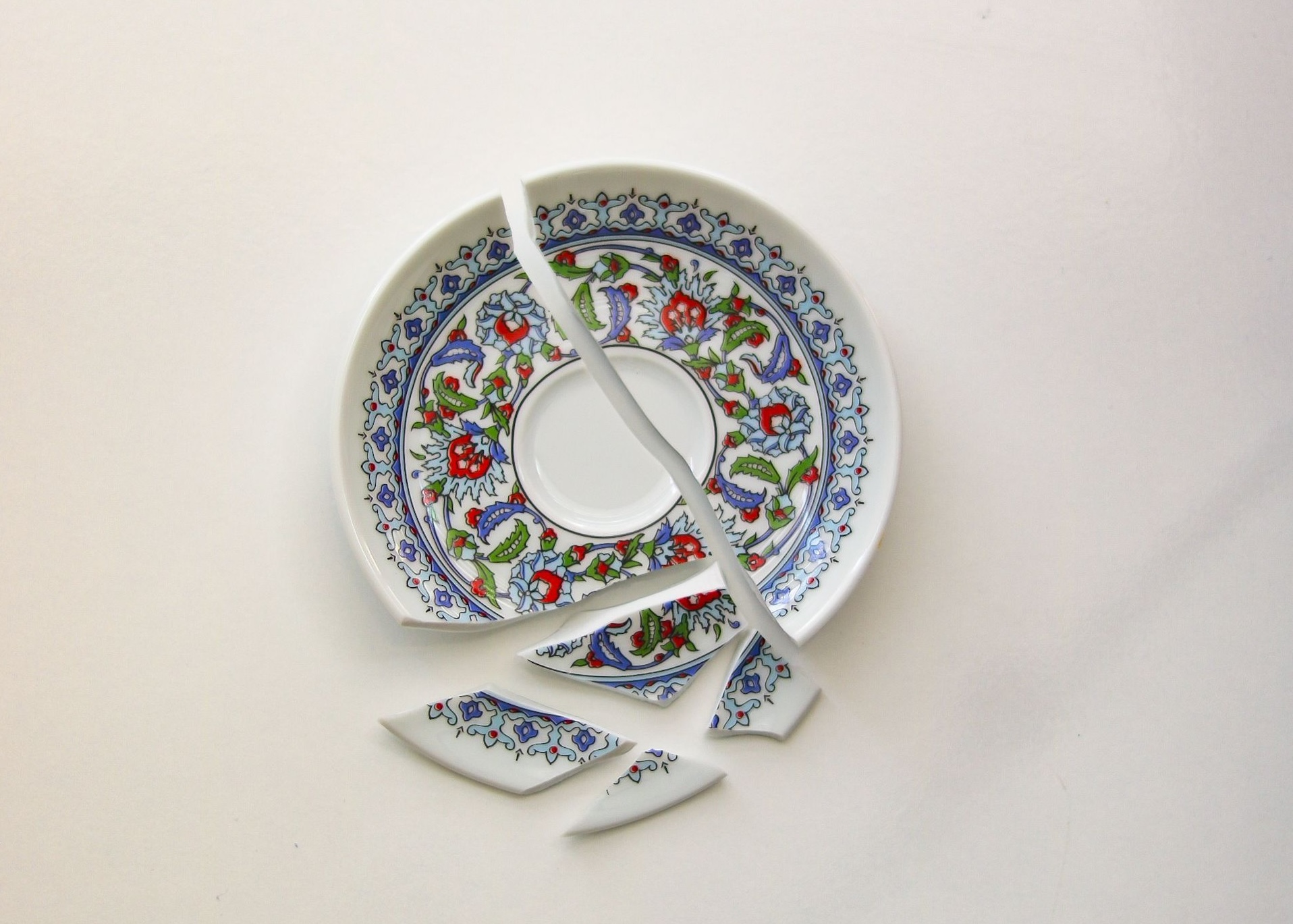
In Germany, some couples celebrate Polterabend, a pre-wedding tradition where guests smash porcelain plates and dishes to bring good luck to the couple. After the celebration, the bride and groom clean up the broken pieces together, symbolizing that marriage requires teamwork, patience, and the ability to face challenges side by side.
At first glance, it seems like the opposite of what you would expect before a wedding. Most couples spend months making sure everything is perfect. The flowers, the table settings, the carefully chosen details.
But perhaps that is exactly the point.
A marriage will not always be perfectly arranged. Things will break. Things will get messy. The tradition is a reminder that the couple will not face those moments alone.
There is something incredibly romantic about starting a marriage by cleaning up a beautiful mess together.
Greece: Crowns, Wine, and Two People Becoming One
Greek weddings are filled with symbolism, and one of the most recognizable traditions is the stefana ceremony.
During a traditional Greek Orthodox wedding, the couple receives crowns connected by a ribbon. The crowns symbolize their new shared life, while the ribbon represents the bond between them.
The couple also traditionally shares wine from a common cup, representing the joys and challenges they will experience together.
It is the kind of ritual that feels almost cinematic. A quiet moment surrounded by family, history, and centuries of tradition.
For couples planning a destination wedding in Greece, incorporating local customs can be a beautiful way to make the celebration feel connected to the place rather than simply taking place there.
Because there is a difference between getting married somewhere beautiful and truly letting that place become part of your story.
Italy: Sweet Beginnings and Wedding Favors With Meaning
Italian weddings are known for their warmth, long dinners, and celebrations that often continue late into the night.
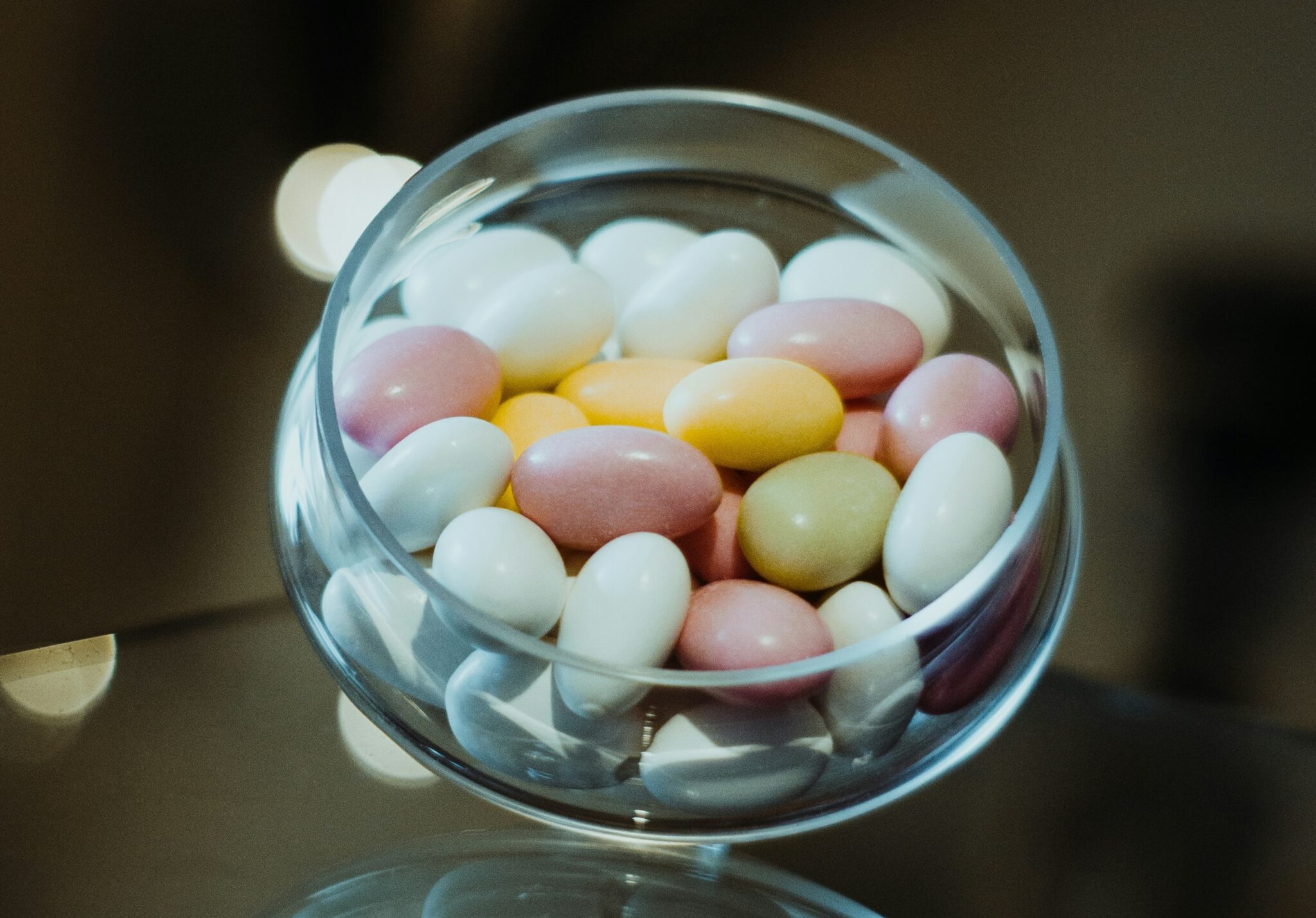
One beloved tradition is the giving of bomboniere, small wedding favors traditionally containing sugared almonds known as confetti.
The almonds represent the bittersweet nature of life and marriage: happiness, challenges, and everything in between. Traditionally, couples give guests five almonds representing wishes for health, wealth, happiness, fertility, and a long life together.
Italian weddings also place a strong emphasis on family, food, and hospitality.
Perhaps that is why Italian wedding celebrations have become such an inspiration for couples around the world. The focus is not only on the ceremony. It is on creating an experience everyone remembers.
South Korea: Honoring Family Before Starting a New Chapter
Many modern Korean weddings include a traditional ceremony called paebaek, where the couple honors their families through symbolic gestures.
The newlyweds bow deeply to their parents and elders as a sign of respect. Traditionally, dates and chestnuts are thrown toward the bride, representing wishes for future children and prosperity.
What makes this tradition especially meaningful is that marriage is not viewed only as the joining of two individuals. It represents the joining of families.
In a world where weddings can sometimes become focused entirely on aesthetics, traditions like paebaek remind us of the deeper reason people gather in the first place.
Japan: Sharing Sake and Joining Families
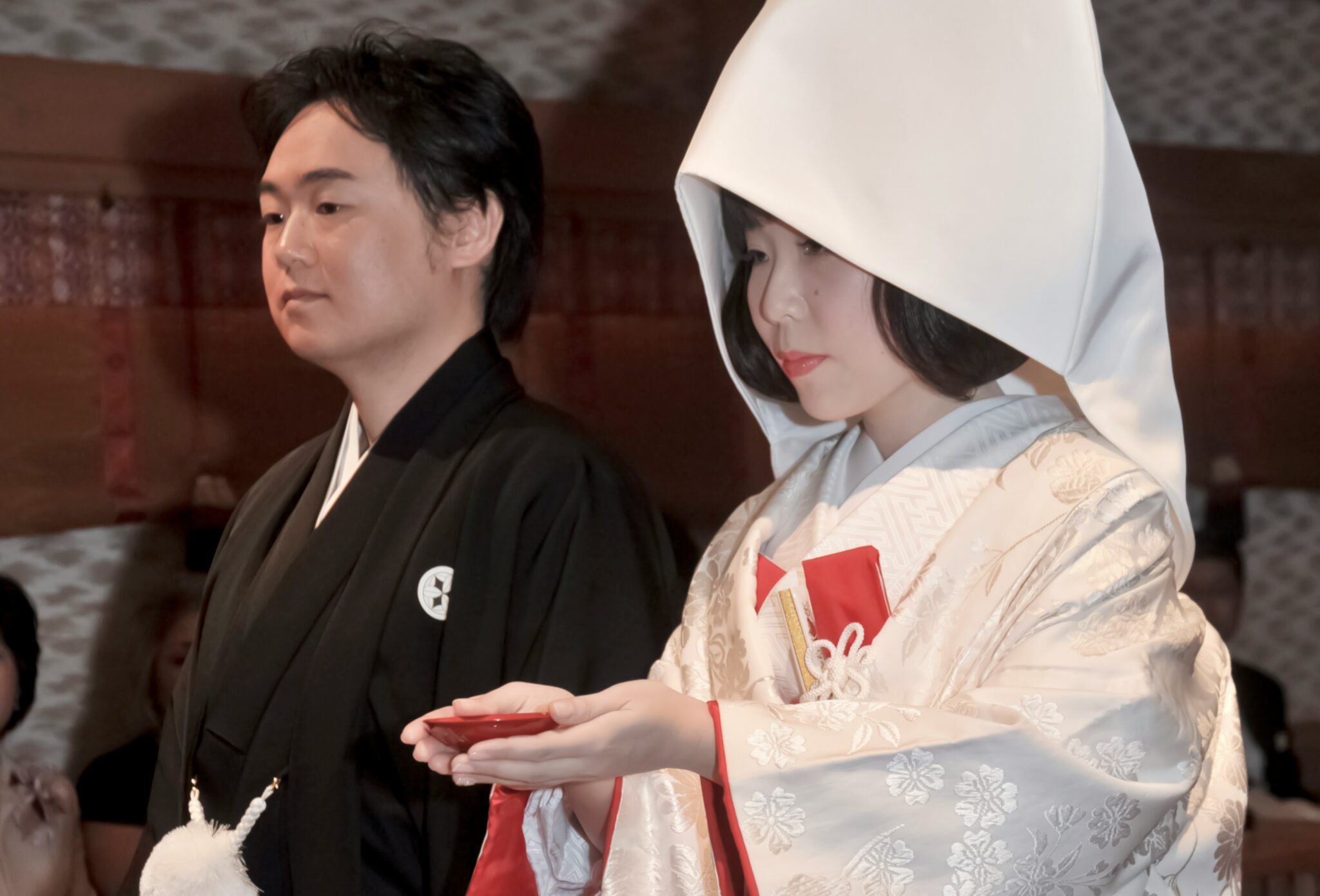
In traditional Japanese wedding ceremonies, couples may participate in san-san-kudo, a ritual where the bride and groom take turns sipping sake from three cups.
The number three is considered lucky and represents the connection between the couple and their families. Both partners take three sips from each cup, creating a symbolic bond between two families becoming one.
It is a quiet ritual, but that is what makes it beautiful.
Not every meaningful wedding moment needs fireworks, a dramatic entrance, or a room full of decorations. Sometimes, it is simply two people sharing a symbolic gesture that has existed for generations.
Scotland: The Blackening Before Marriage
Some Scottish communities have a tradition known as the blackening, where friends and family cover the bride, groom, or both in messy materials before the wedding.
The exact customs vary, but the tradition may involve substances like flour, soot, or feathers before the couple is paraded around. It is believed to prepare them for the challenges of marriage through humor and community support.
It might not be the wedding morning beauty routine most couples dream about, but perhaps that is the charm.
Before the perfect dress, carefully styled hair, and polished photographs, there is a reminder that marriage is about accepting imperfect moments too.
Mexico: A Ribbon That Represents Forever
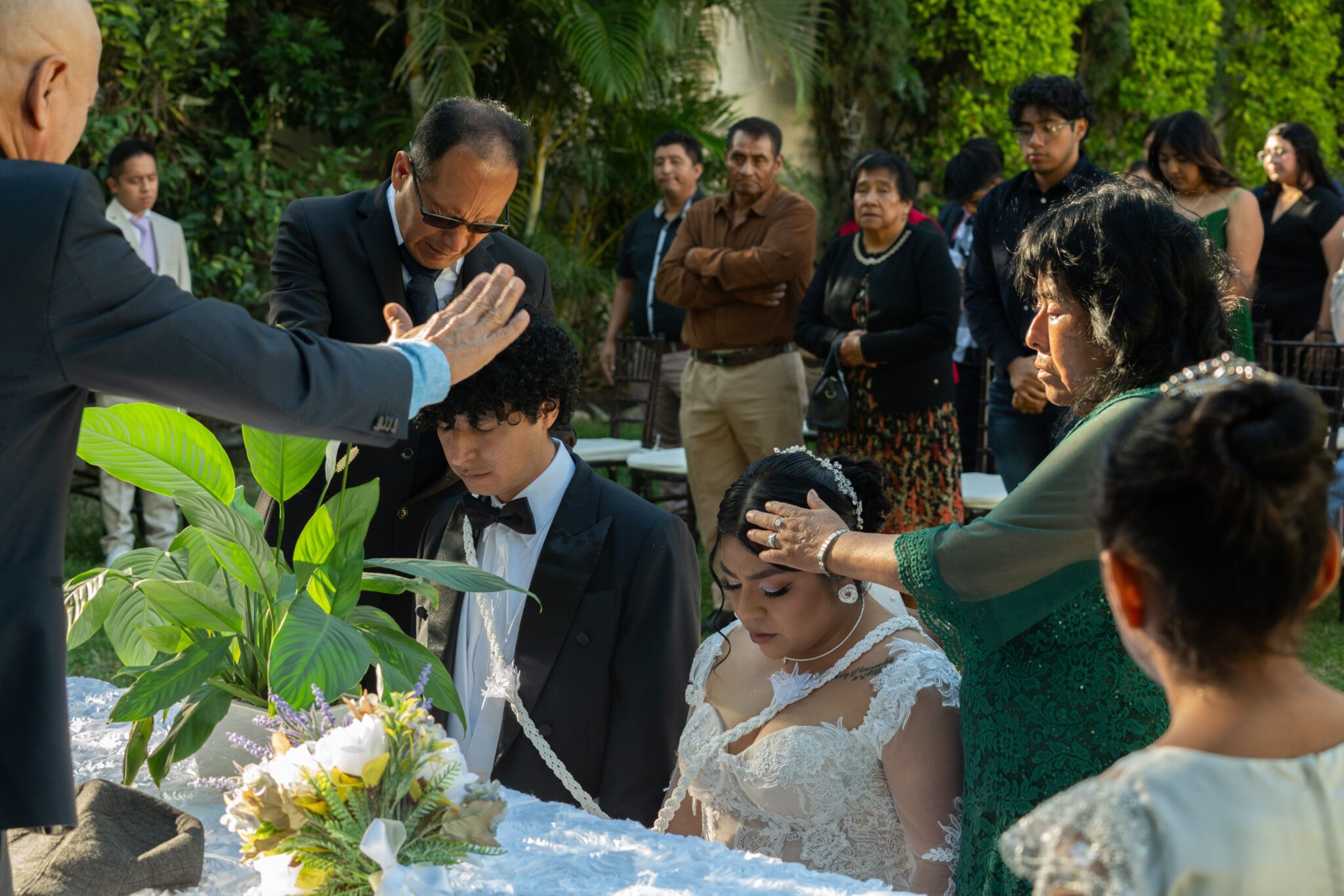
In many Mexican weddings, couples participate in a ceremony called el lazo.
During this ritual, a large rosary, ribbon, or floral arrangement is placed around the couple’s shoulders in a figure-eight shape, symbolizing unity and the lifelong connection between them.
It is often performed after the couple exchanges vows and represents the idea that they are no longer walking through life separately.
They are connected.
China: The Emotional Tradition of the Tujia Bride
Among the Tujia people of China, a traditional pre-wedding ritual involves the bride crying before her wedding.
While this may sound unusual today, the practice historically represented gratitude, emotion, and the importance of the transition into marriage. In some versions of the tradition, female relatives join the bride in expressing these emotions.
It is a reminder that weddings are emotional milestones everywhere.
The tears at weddings, whether they come from joy, nostalgia, or saying goodbye to one chapter before beginning another, are universal.
India: Weddings Filled With Symbolism
Indian weddings are known for their vibrant colors, elaborate ceremonies, and deep symbolism.
One playful tradition found in some communities involves the bride’s sisters hiding the groom’s shoes during wedding celebrations and asking him to pay to get them back. It is a fun moment between families and often becomes one of the liveliest parts of the celebration.
Beyond the playful traditions, Indian weddings are filled with rituals representing prosperity, partnership, and family connection.
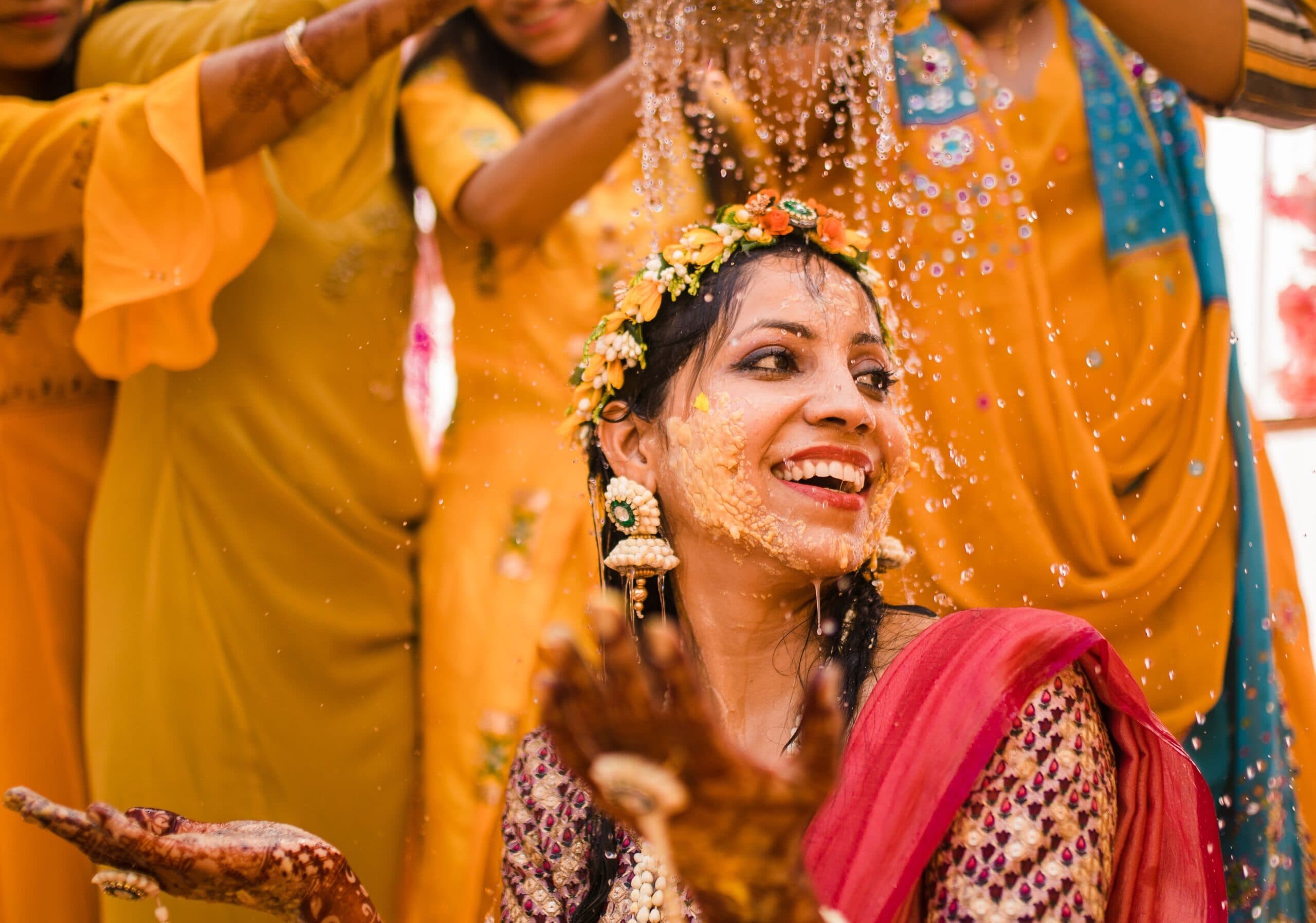
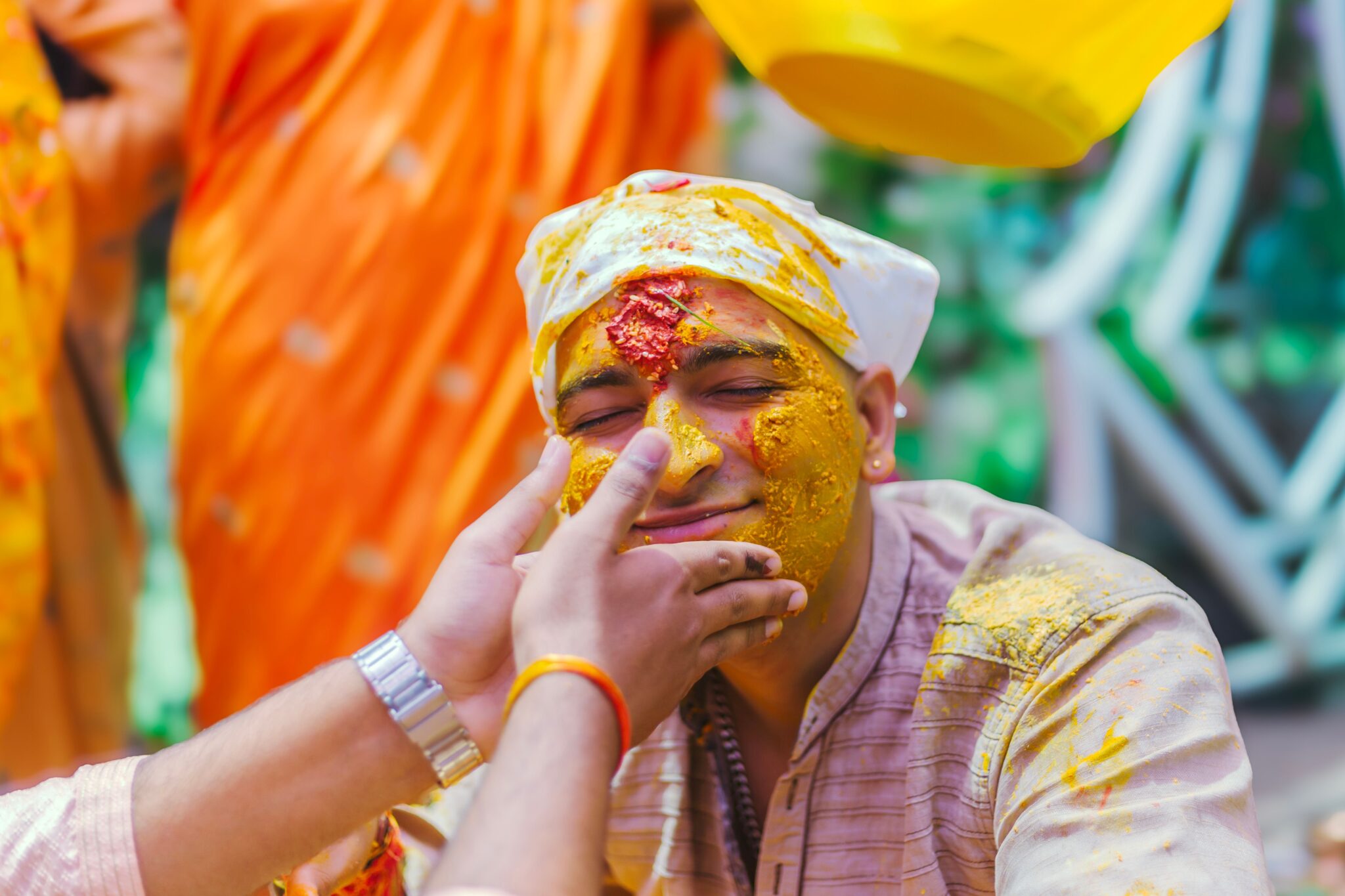
From the colorful haldi ceremony, where turmeric paste is applied before the wedding, to the many regional customs across the country, there is no single “Indian wedding.” Each community brings its own history and meaning.
Sweden: A Wedding Reception Full of Surprises
Some Swedish wedding celebrations include a playful tradition where guests may take advantage of a moment when the bride or groom leaves the room.
If one partner leaves the reception, guests may line up to give the remaining partner a kiss, creating a humorous and unexpected moment during the celebration.
While it may sound unusual to couples from other cultures, it reflects something many wedding traditions share: the desire to involve guests and create memories together.
A wedding is not only a ceremony witnessed by loved ones. It is an experience shared with them.
The Most Beautiful Wedding Tradition? Making It Your Own
The fascinating thing about wedding traditions around the world is that none of them started as decoration.
They started as stories.
A broken plate was never just a broken plate. A shared cup was never just a cup. A ribbon around two shoulders was never just a ribbon.
Every tradition carries a memory of what people believed mattered most: luck, family, commitment, love, and a hopeful future.
For couples planning a destination wedding, these traditions can be an incredible source of inspiration. You do not have to recreate an entire cultural ceremony to honor a place. Sometimes a small detail, such as a local flower, a traditional dessert, or a meaningful ritual, is enough to make your wedding feel connected to its surroundings.
Because the best weddings are not the ones that follow every rule.
They are the ones that tell a story.
And every love story deserves a few traditions of its own.