Combining a Destination Wedding with Your Honeymoon Escape
Article Overview
- One destination, different chapters: The best wedding and honeymoon combos let the trip flow naturally, without the stress of extra flights, border crossings, or constantly repacking your life into a suitcase.
- Good planning is not just about the flights: It is about choosing places that let the vibe change. A lively wedding weekend surrounded by loved ones, followed by somewhere quieter with no expectations from others.
- The goal is not repetition: Staying within one country or region keeps the feeling intact while still letting the experience change.
There is a very specific kind of wedding planning that starts to feel less like organising an event and more like putting an adventure together. For one week, maybe two, your only real responsibility is deciding where dinner is and whether you want another bottle of wine.
In this guide
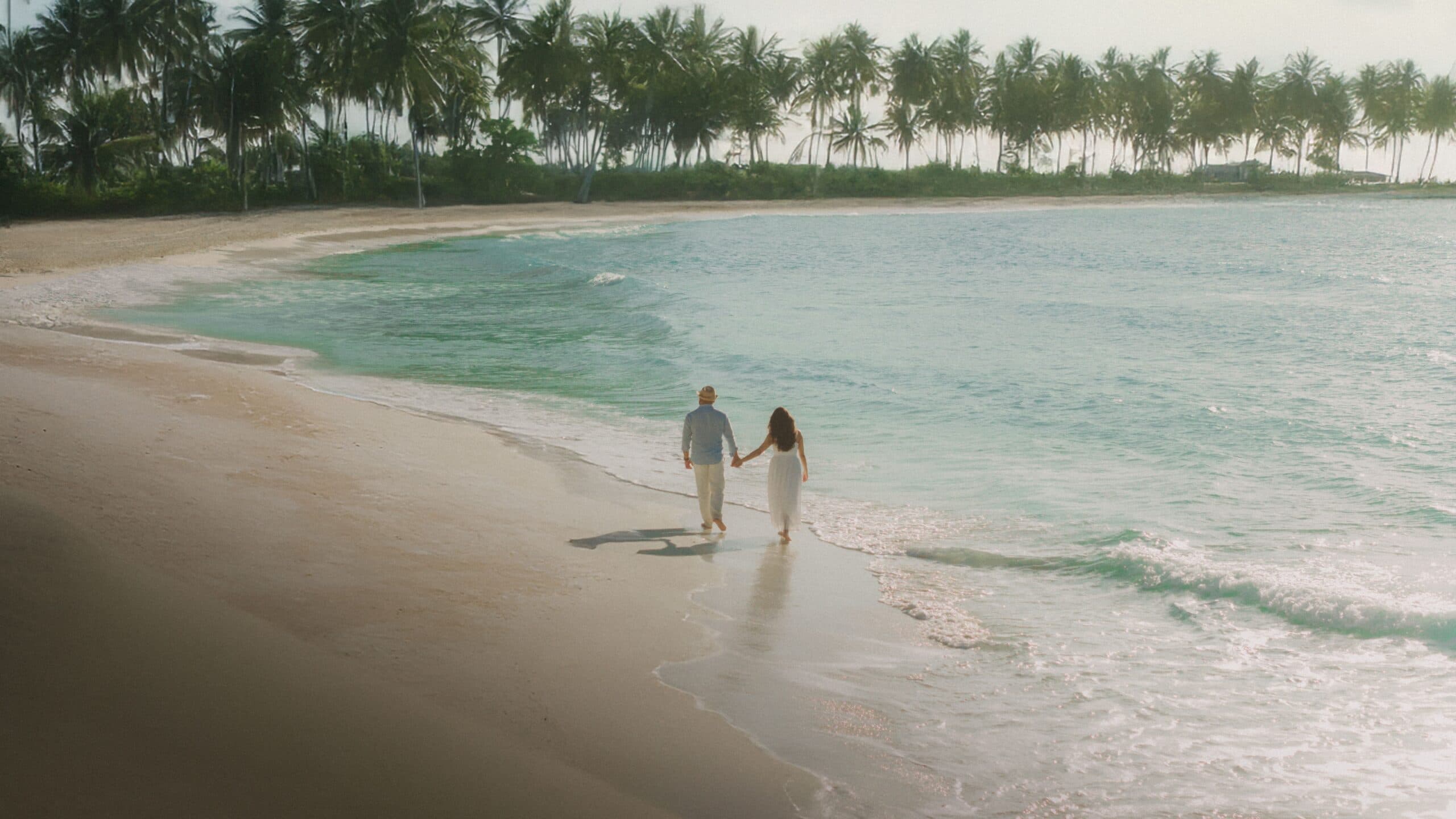
More couples are choosing destinations that can hold both versions of the experience. The celebration and the escape. A wedding in one part of a country, then a honeymoon somewhere completely different without the exhaustion of changing continents halfway through.
Because the goal is not to do less. It is to let the trip change with the needs.
A crowded welcome party turns into slow mornings by the water. A strict dress code turns into swimsuits and breezy linen. The group chats stop buzzing. Everything slows down.
The destinations below work especially well for that kind of transition, with real ways to move from wedding weekend into honeymoon mode without it feeling like a lot of work.
Think of them less as itineraries set in stone and more as the kind of adventures that stay with you long after you are home.
1. Italy
Italy works especially well for this kind of wedding and honeymoon because every region feels like its own little world, but somehow still part of the same story.
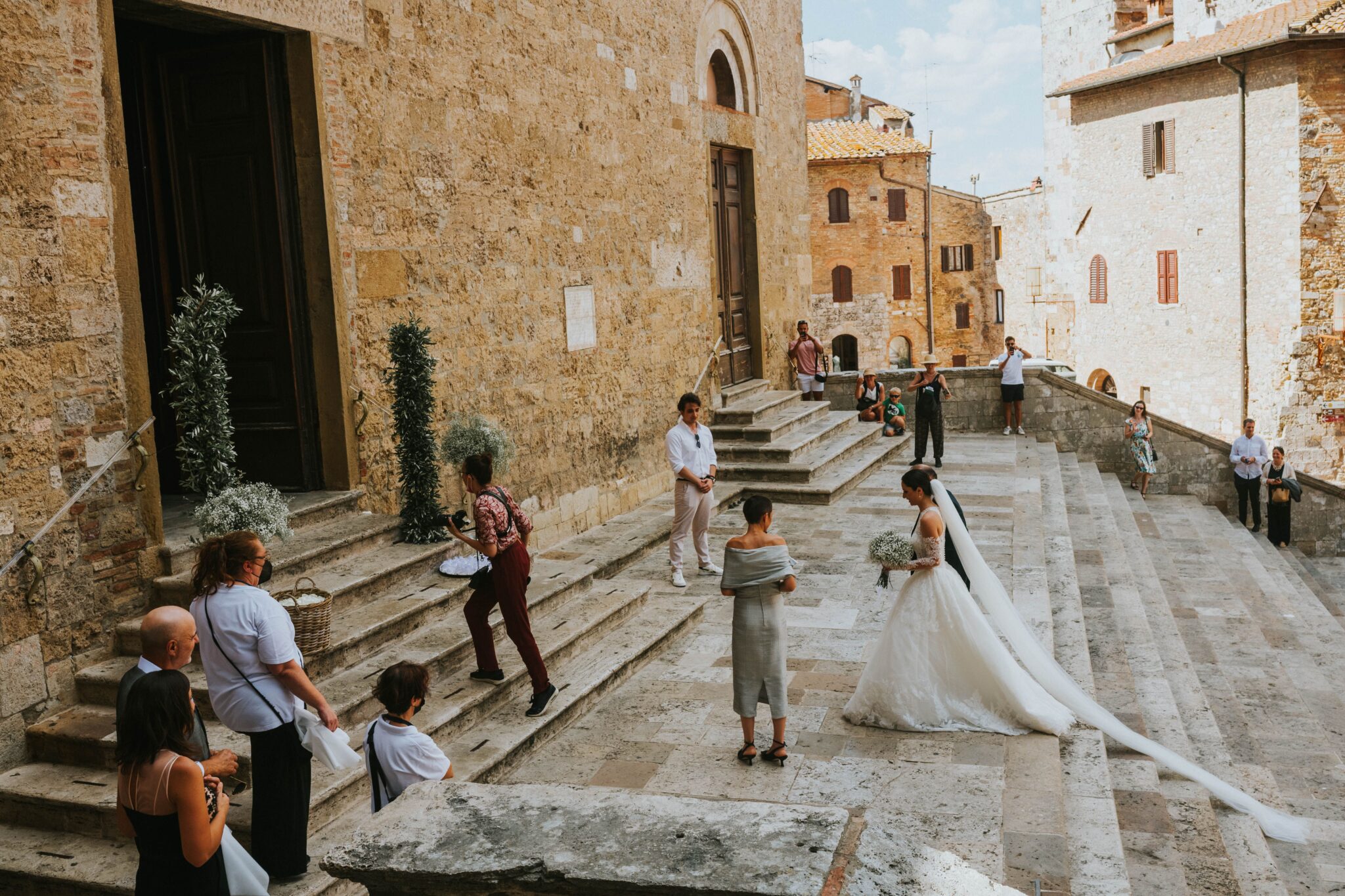
You can have a wedding in the middle of vineyards in Tuscany, then wake up a few days later on Lake Como with quiet mountain air and nowhere you need to be. Or start in the energetic beauty of Rome, then end somewhere like the Amalfi Coast, where everything slows down and the days stretch a little longer.
And even though the places feel completely different, the shift never feels abrupt. The trains are easy, the distances make sense, and the whole country seems to quietly encourage you to take your time.
Option A: Tuscany → Amalfi Coast
Wedding in Tuscany (vineyards, countryside villas, hilltop estates)
→ slow wine-country ceremony with long outdoor dinners
→ transition south
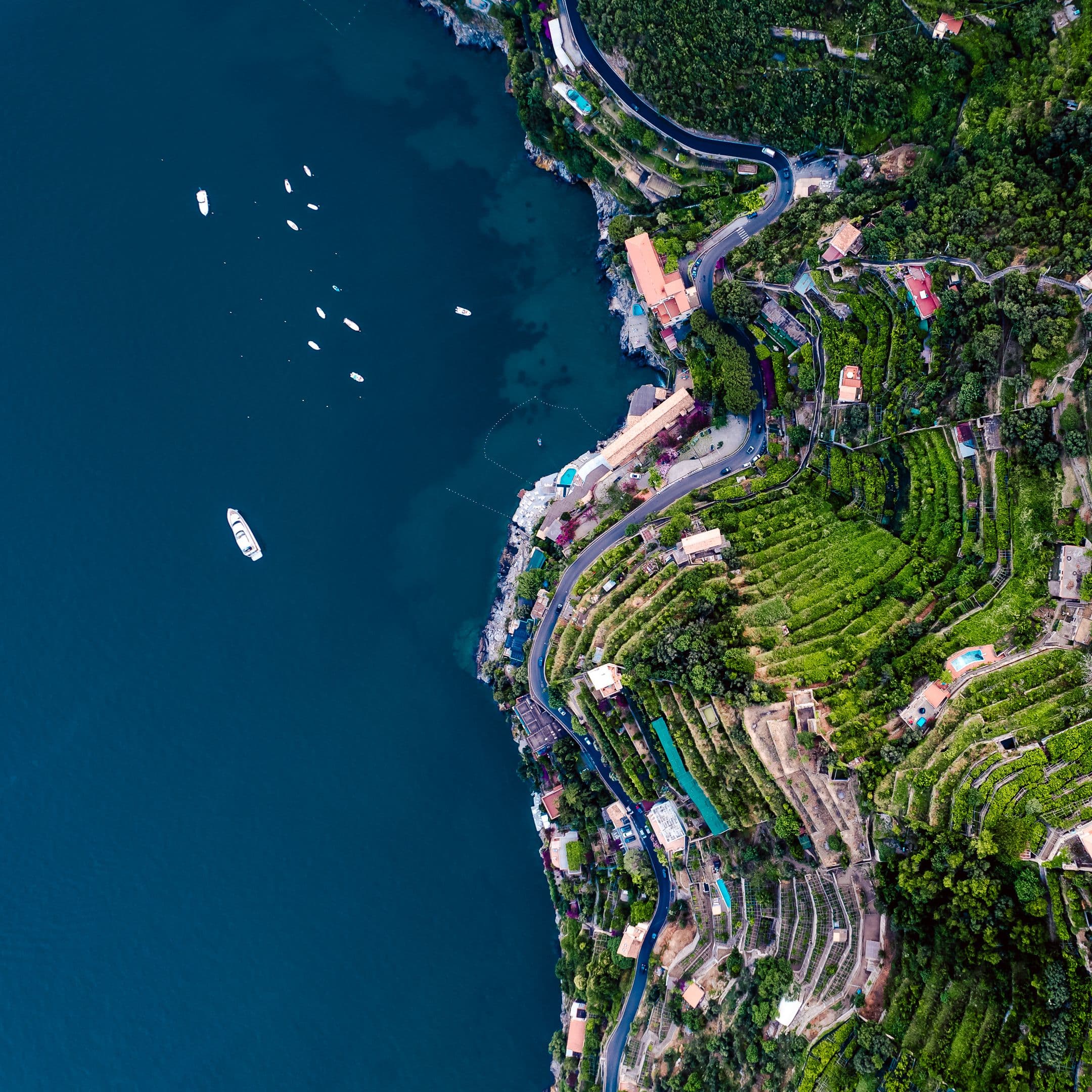
→ honeymoon on the Amalfi Coast (Positano, Ravello, Praiano)
This is the most cinematic version of Italy. Tuscany is all warmth and earth and long dinners that stretch past sunset. The Amalfi Coast is more vivid and sensory, with bright light, steep cliffs, and water that feels almost unreal, but the pace itself is slower, like the days are asking you to stop rushing.
Option B: Tuscany → Lake Como
Wedding in Tuscany (countryside estates, vineyard settings)
→ relaxed countryside celebration
→ move north
→ honeymoon in Lake Como (Bellagio, Varenna, Menaggio)
This version feels more refined. Lake Como acts like a quieter echo of Tuscany, but with water instead of hills.
Option C: Rome → Amalfi Coast
Wedding in Rome (historic villas, gardens, rooftop venues)
→ city ceremony surrounded by architecture and history
→ travel south
→ honeymoon along the Amalfi Coast
This one is all about contrast. Rome is layered and intense, full of history pressing in from every side. The coast is where all of that loosens and you can finally exhale.
Why Italy? Because it is a little like tiramisu – it gives you layers. You do not just move through scenery. You move through meals, textures, and temperatures. Tuscany tastes like olive oil and late afternoons. The coast tastes like lemon and salt. Lake Como tastes like quiet mornings and still water.
2. Greece
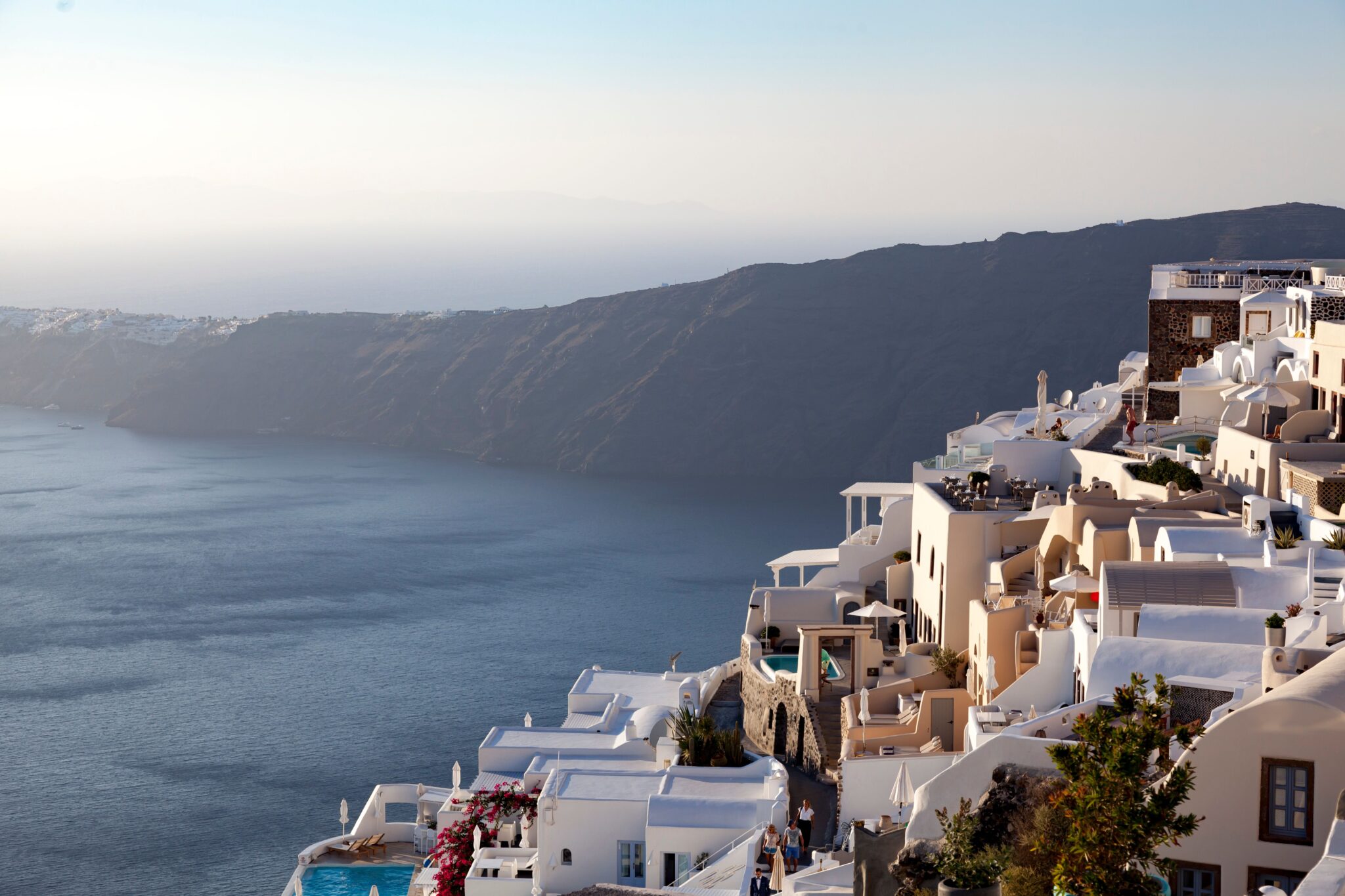
Greece is especially strong for wedding-to-honeymoon travel because island hopping is already part of how the country is experienced. You are not breaking the flow when you move. You are going with it.
Couples often build multi-island itineraries where each stop has a different emotional tone, from dramatic to slower, more stripped back, and quietly remote.
Option A: Santorini → Paros → Milos
Wedding in Santorini (caldera views, cliffside venues)
→ dramatic ceremony overlooking the sea
→ ferry to Paros
→ honeymoon in Paros (beaches, villages, slower pace)
→ optional final stop in Milos (quiet coves, raw landscapes)
Santorini is the statement. Paros softens it. Milos lets it fade out.
Option B: Mykonos → Paros
Wedding in Mykonos (luxury venues, beach clubs, nightlife energy)
→ celebration-focused wedding experience
→ transfer to Paros
→ honeymoon in calmer island settings
This is a transition from energy to ease. Mykonos is expressive. Paros is understated.
Option C: Crete (Chania → Elounda or south coast)
Wedding in Chania (Venetian harbour, historic architecture, nearby villas)
→ ceremony in a culturally rich coastal city
→ honeymoon in Elounda or southern beaches
Crete works because it is large enough to feel like several destinations in one.
Why Greece? Every island has its own personality. Santorini is dramatic, Paros is easy and relaxed, and Milos feels raw and quiet. The ferry rides make the transitions feel natural and relaxing, no need to catch flights.
3. Mexico
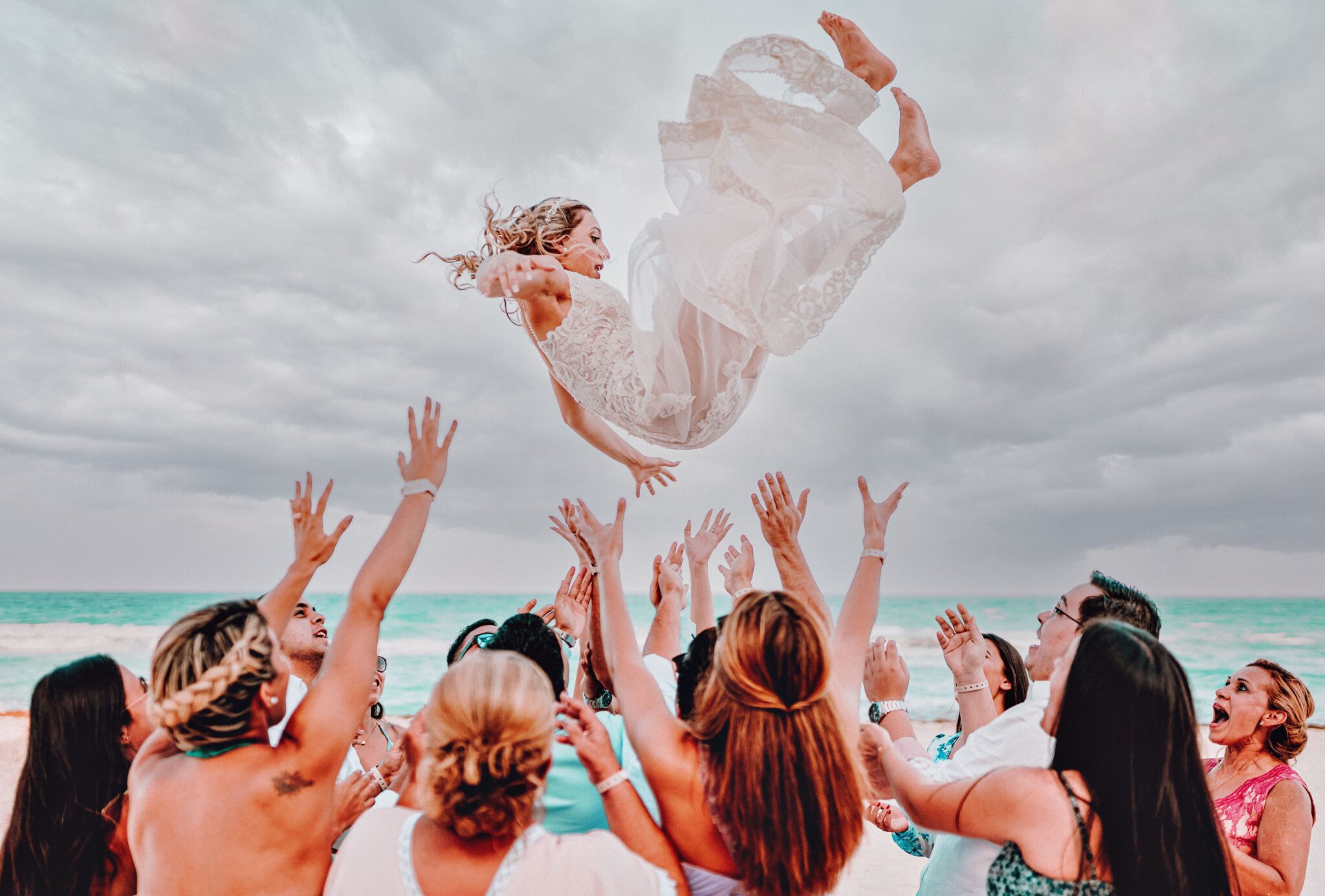
Mexico is one of the most practical destinations for combining weddings and honeymoons because resorts are designed to absorb both phases of travel.
Couples either stay in one place and change pace, or move short distances to adjust atmosphere without losing out on convenience.
Option A: Riviera Maya → Tulum
Wedding in Riviera Maya (all-inclusive beachfront resorts)
→ structured, full-service ceremony setup
→ stay for honeymoon relaxation
→ or transfer to Tulum for boutique hotels and slower rhythm
This is one of the most common transitions because it requires almost no logistical effort.
Option B: Cancun/Riviera Maya → Isla Holbox
Wedding in Cancun or Riviera Maya
→ transition to Holbox
→ honeymoon on a car-free island with slower pace and simpler living
Holbox changes the energy without changing the region entirely.
Option C: Los Cabos → Todos Santos
Wedding in Los Cabos (resorts, ocean-desert landscapes)
→ honeymoon in nearby Todos Santos
→ quieter town atmosphere with more creative and boutique stays
This pairing works well for couples who want contrast without long travel.
Why Mexico? It lets you switch between fully serviced and completely laid-back without effort. Riviera Maya handles structure, Tulum softens the pace, and places like Holbox or Todos Santos strip everything back to basics.
4. Portugal
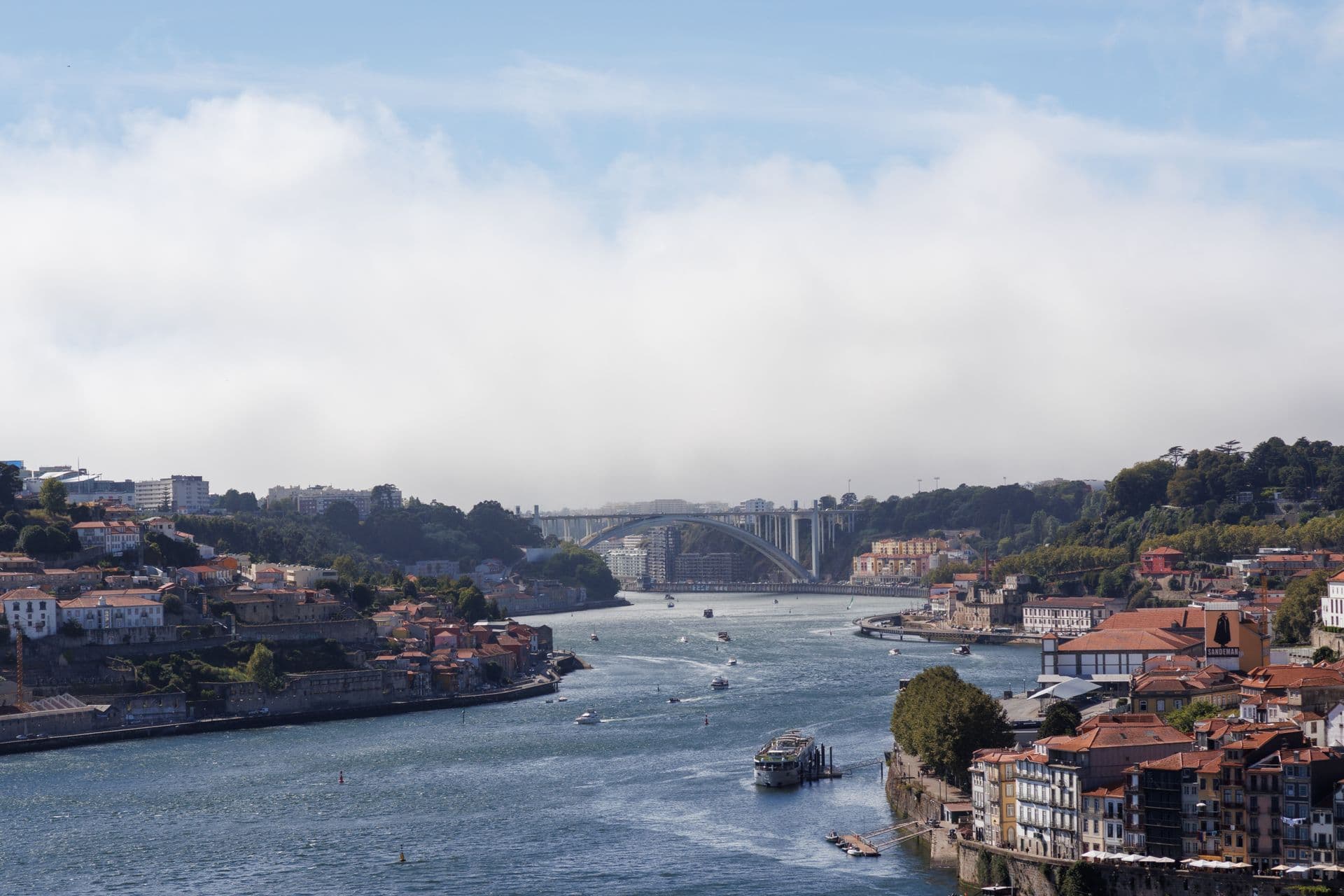
Portugal is ideal for couples who want multiple experiences without long travel days. The country is small, but each region feels distinct enough to function like a separate destination.
Option A: Algarve → Lisbon → Douro Valley
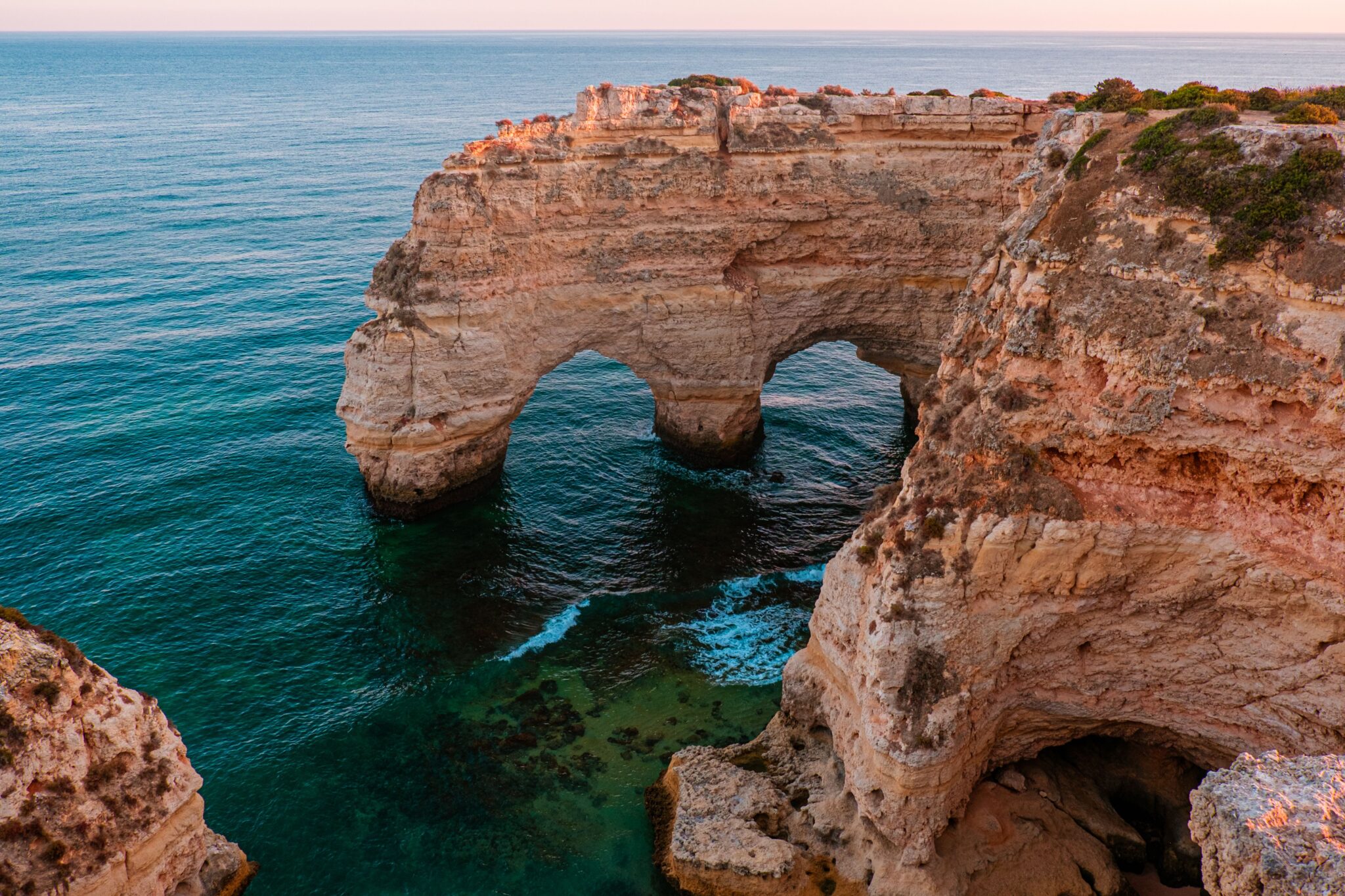
Wedding in Algarve (cliffs, ocean views, villas)
→ coastal ceremony in southern Portugal
→ honeymoon in Lisbon (city stays, architecture, food culture)
→ final retreat in Douro Valley (vineyards, river landscapes)
This is a full arc from coast to city to countryside.
Option B: Lisbon → Comporta
Wedding in Lisbon (historic venues, rooftops, palaces nearby)
→ urban ceremony
→ honeymoon in Comporta (minimalist beach region, quiet atmosphere)
This is a simple but effective contrast.
Option C: Algarve regional stay
Wedding in Algarve
→ honeymoon within the same region
→ move between coastal towns like Lagos, Tavira, and Albufeira
This is for couples who want ease without additional travel.
Why Portugal? It’s all nearby but never repetitive. The Algarve region is coastal and open, Lisbon is textured and urban, and the north slows everything down into history, vineyards and river views.
5. France
France works beautifully for wedding and honeymoon combinations because it naturally alternates between elegance, countryside softness, and coastal glamour.
Option A: Provence → French Riviera
Wedding in Provence (vineyards, lavender fields, stone estates)
→ countryside ceremony with slow rhythm
→ honeymoon on the French Riviera (Nice, Èze, Saint-Paul-de-Vence)
This is a shift from rural calm to coastal sophistication.
Option B: Paris → Provence
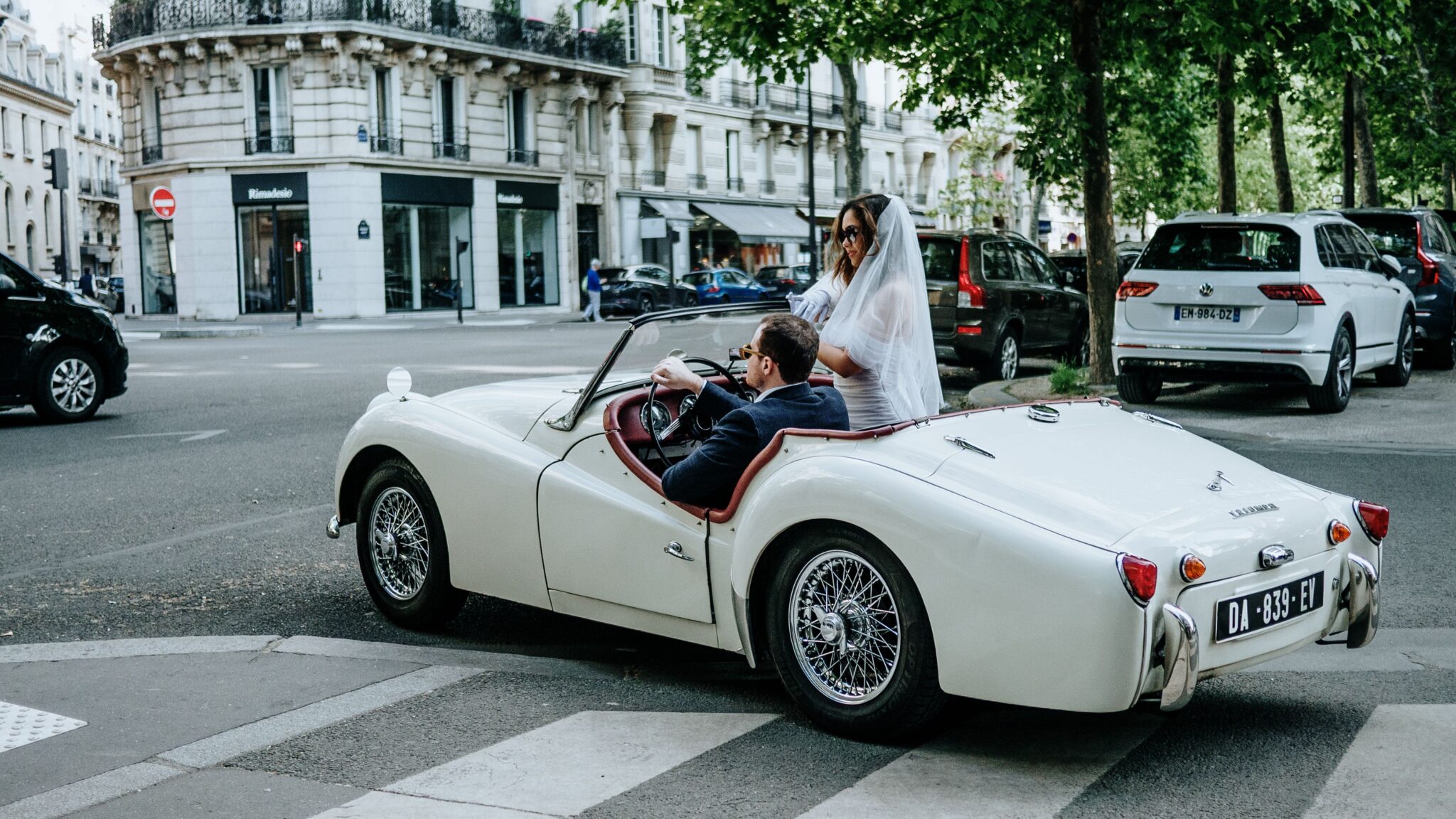
Wedding in Paris (boutique venues, gardens, historic architecture)
→ city ceremony
→ honeymoon in Provence countryside
This is one of the most classic transitions in France.
Option C: Bordeaux → Arcachon
Wedding in Bordeaux (wine estates, châteaux, countryside venues)
→ honeymoon in Arcachon (dunes, coastal air, relaxed beach towns)
This is a quieter, less obvious pairing that still works beautifully.
Why France? It moves cleanly between settings. Provence is slow and full of sunshine, Paris is structured but romantic, and the Riviera opens everything up again with light and sea.
6. Bali
Bali is unusually well suited to this concept because each region feels like a different world.
Option A: Uluwatu → Ubud
Wedding in Uluwatu (cliffside ocean views)
→ beautiful coastal ceremony
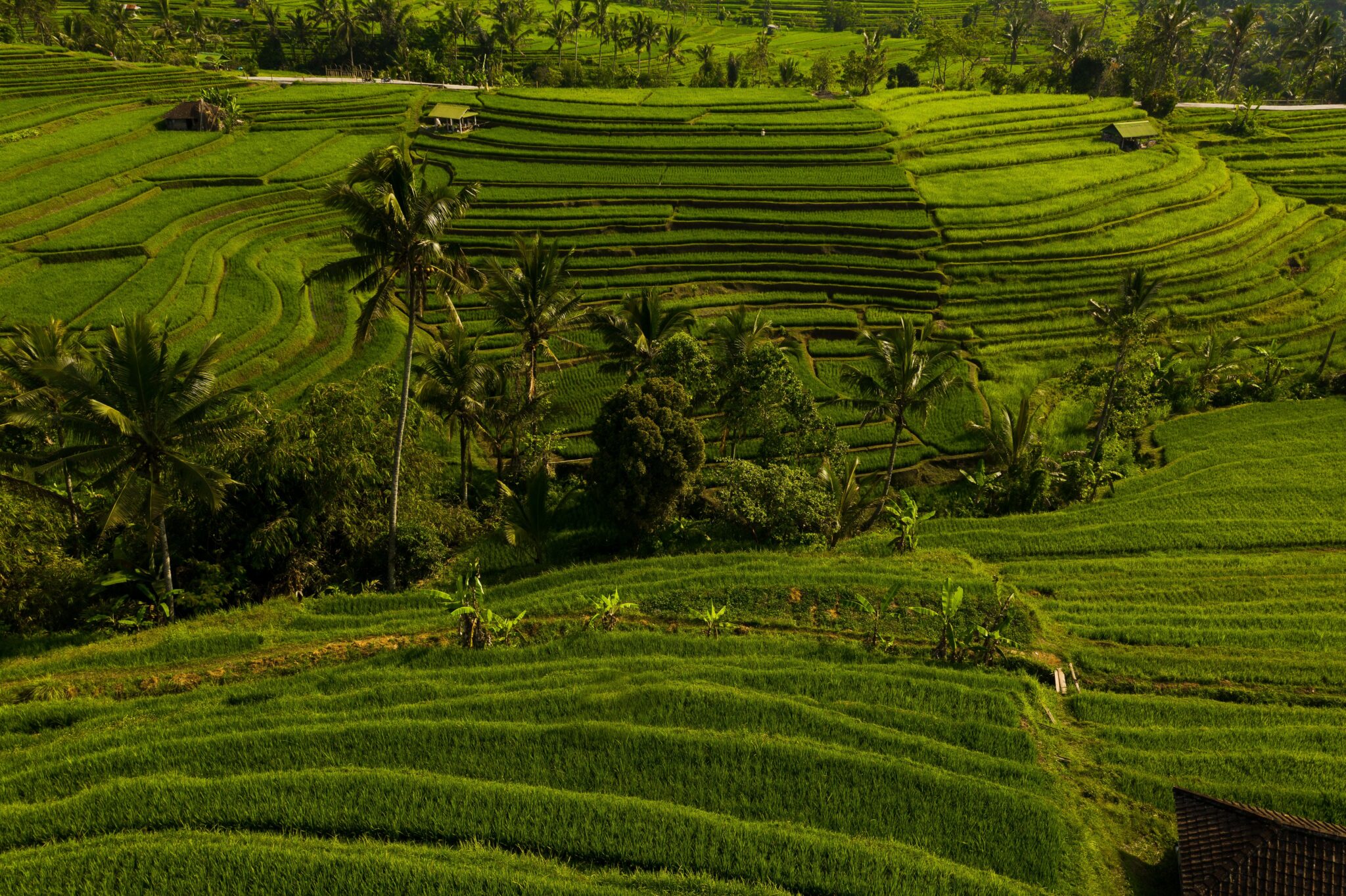
→ honeymoon in Ubud (rice terraces, jungle villas, wellness stays)
This is one of the clearest ocean-to-jungle transitions.
Option B: Seminyak → Nusa islands
Wedding in Seminyak (beach clubs, hotels, social energy)
→ honeymoon on Nusa Lembongan or Nusa Penida
→ slower island environment with nature focus
This gives proximity without repetition.
Option C: Ubud → Sidemen Valley
Wedding in Ubud
→ honeymoon in Sidemen
→ extremely quiet rural landscapes and slow travel
This is the most introspective version of Bali.
Why Bali? The island changes atmosphere fast. Uluwatu is all cliffs and ocean, Ubud is dense and green, and Sidemen is quiet in a way that feels almost removed from time.
7. Costa Rica
Costa Rica is less about aesthetic styling and more about environmental shifts that naturally structure the experience.
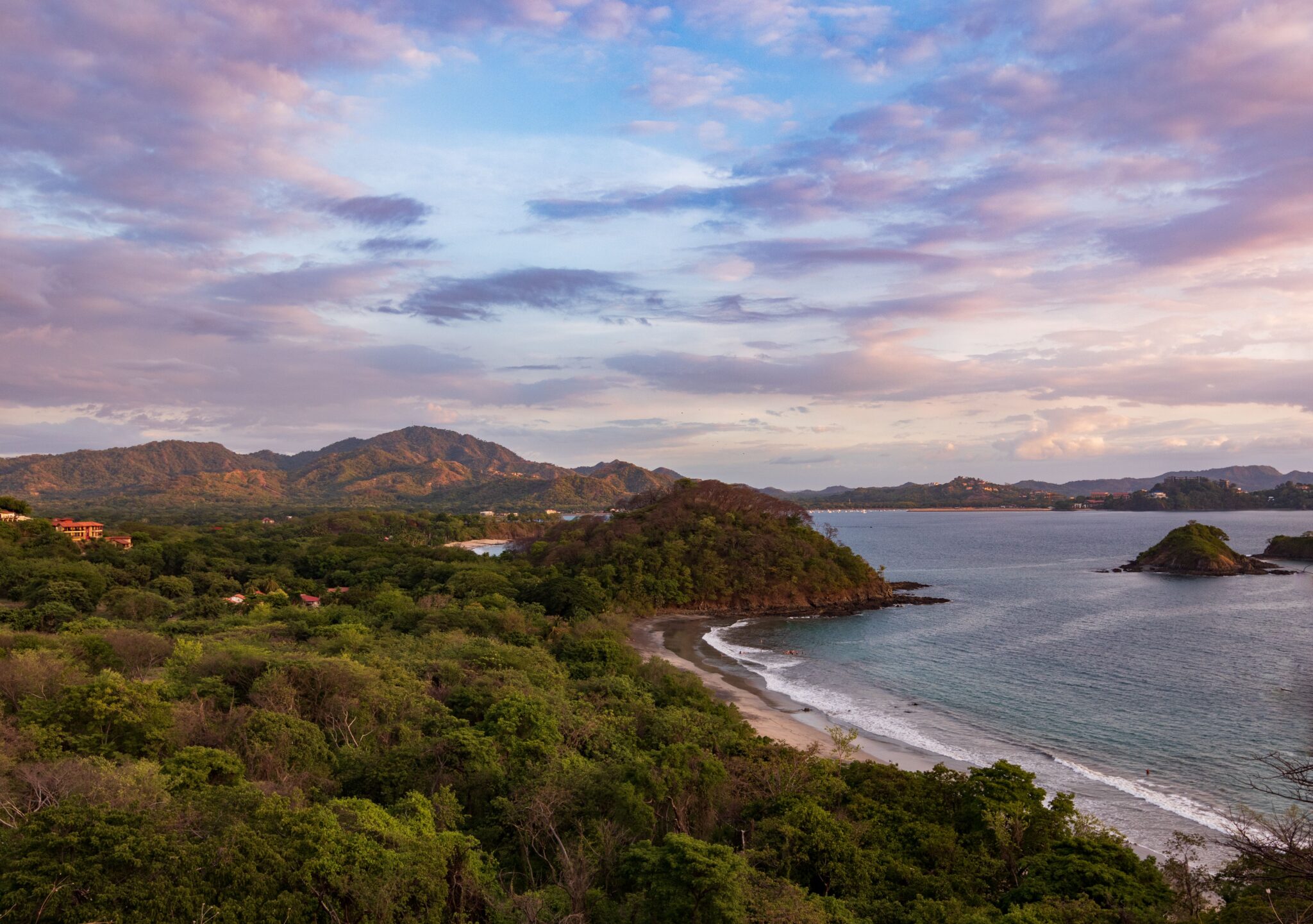
Option A: Guanacaste → Arenal
Wedding in Guanacaste (beaches, coastal resorts)
→ honeymoon in Arenal (volcanoes, hot springs, rainforest lodges)
This is a clear beach-to-jungle transition.
Option B: Manuel Antonio → Monteverde
Wedding in Manuel Antonio (coastal rainforest mix)
→ honeymoon in Monteverde (cloud forests, eco-lodges)
This is slower and more immersive.
Option C: Pacific coast → Caribbean coast
Wedding on Pacific side
→ honeymoon on Caribbean side (Puerto Viejo region)
This creates two completely different cultural and visual experiences within one country.
Why Costa Rica? The environment makes the change for you. Beaches are open and bright, rainforests feel enclosed and full of life, and cloud forests feel cool and suspended in time.
Final note
The appeal of these destinations is not just that they are beautiful or easy to plan around. It is that they hold different versions of the same experience without forcing a reset in between. A wedding is high energy, structured, and full of people and movement. A honeymoon is the opposite of that, or at least it should be. The best places for both understand that shift and make space for it without making you start over somewhere new.
There is something underrated about staying within the same country or region while still changing environments. It keeps the emotional thread intact. You do not lose time to airports, check-ins, or adjusting to a completely different rhythm. You just move gradually from one pace to another until things naturally slow down.
And maybe that is the real point. Not to separate the celebration from the rest of the trip, but to let it shift into it. So the wedding is not a standalone event you remember as “that weekend,” but the beginning of a longer adventure that you will cherish for the years to come.